Nizamuddin Dargah Delhi: History, Timings & Qawwali
Introduction
Delhi is famous for its magnificent monuments, historical forts, beautiful gardens and spiritual destinations. Among the city’s most special places is Nizamuddin Dargah Delhi, a centuries-old Sufi shrine that attracts devotees, history lovers and tourists from across India and around the world.
Dedicated to Hazrat Khwaja Nizamuddin Auliya, one of the most respected Sufi saints in Indian history, this sacred place is known for its peaceful atmosphere, devotional music, beautiful traditions and message of love and humanity.
Unlike ordinary tourist attractions, Nizamuddin Dargah offers an experience that touches the heart. The sound of qawwali, the fragrance of flowers and incense and the devotion of visitors create an atmosphere that is difficult to describe in words.
If you want to experience the spiritual heart of Delhi, Nizamuddin Dargah deserves a place on your travel list.
Whether you are planning a religious visit, exploring Delhi’s heritage or searching for famous historical places in Delhi, this complete travel guide will help you discover everything about Nizamuddin Dargah.
Where Is Nizamuddin Dargah Located?
Nizamuddin Dargah is located in the Nizamuddin East district of South Delhi, India. It is one of the most famous Sufi shrines in the country and an important center of the Chishti Sufi tradition.
The shrine is dedicated to Hazrat Nizamuddin Auliya, who lived during the Delhi Sultanate period and became famous for his teachings of kindness, compassion, love and service to humanity.
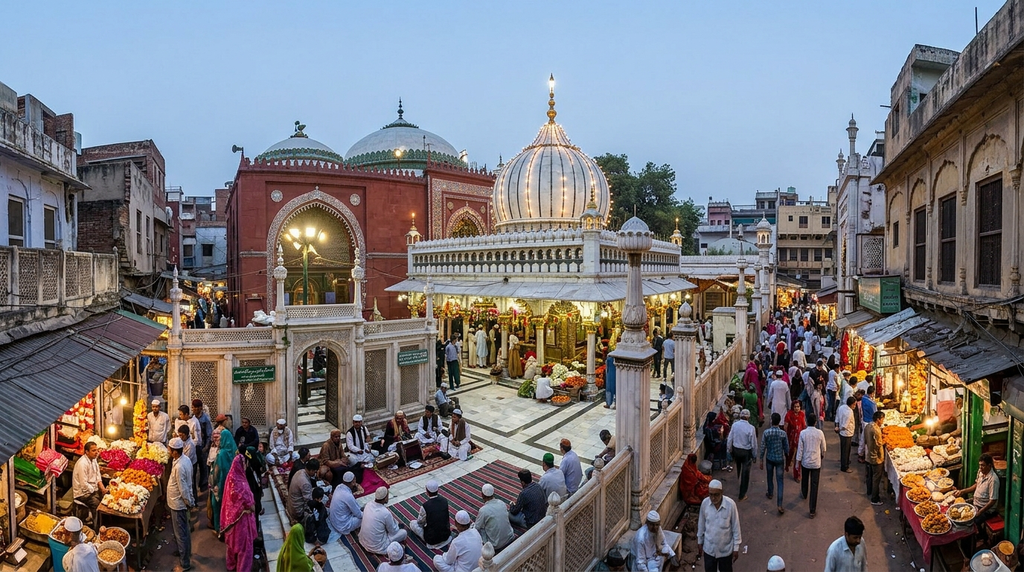
The surrounding neighbourhood has narrow lanes, traditional shops, flower sellers and small food stalls. Walking through these streets gives visitors a glimpse of Old Delhi’s traditional spiritual and cultural atmosphere.
History of Nizamuddin Dargah Delhi
The history of Nizamuddin Dargah goes back to the 13th and 14th centuries. Hazrat Nizamuddin Auliya was born in 1238 and became one of the most influential Sufi saints of the Indian subcontinent.
He belonged to the Chishti Sufi order, which emphasised love, tolerance, humility and helping people regardless of their religion or social background.
During his lifetime, thousands of people visited him to seek spiritual guidance and blessings. His teachings attracted ordinary people as well as poets, scholars and influential personalities.
After his death in 1325, his resting place gradually developed into an important Sufi pilgrimage destination.
Over the centuries, different rulers, nobles and devotees contributed to the shrine’s development and decoration.
Today, Nizamuddin Dargah remains an important spiritual destination and a symbol of Delhi’s rich cultural heritage.
Who Was Hazrat Nizamuddin Auliya?
Hazrat Nizamuddin Auliya was a famous Indian Sufi saint whose teachings continue to inspire millions of people.
He believed that serving humanity was one of the greatest forms of devotion. His spiritual philosophy focused on:
• Love and kindness towards everyone.
• Helping poor and needy people.
• Living a simple and humble life.
• Promoting peace and harmony.
• Respecting people from different communities.
His influence extended beyond religious boundaries. People from different backgrounds visited him because of his compassionate nature and spiritual wisdom.
Interesting Point: Hazrat Nizamuddin Auliya became so respected that his teachings influenced Delhi’s spiritual and cultural identity for generations.
Architecture of Nizamuddin Dargah
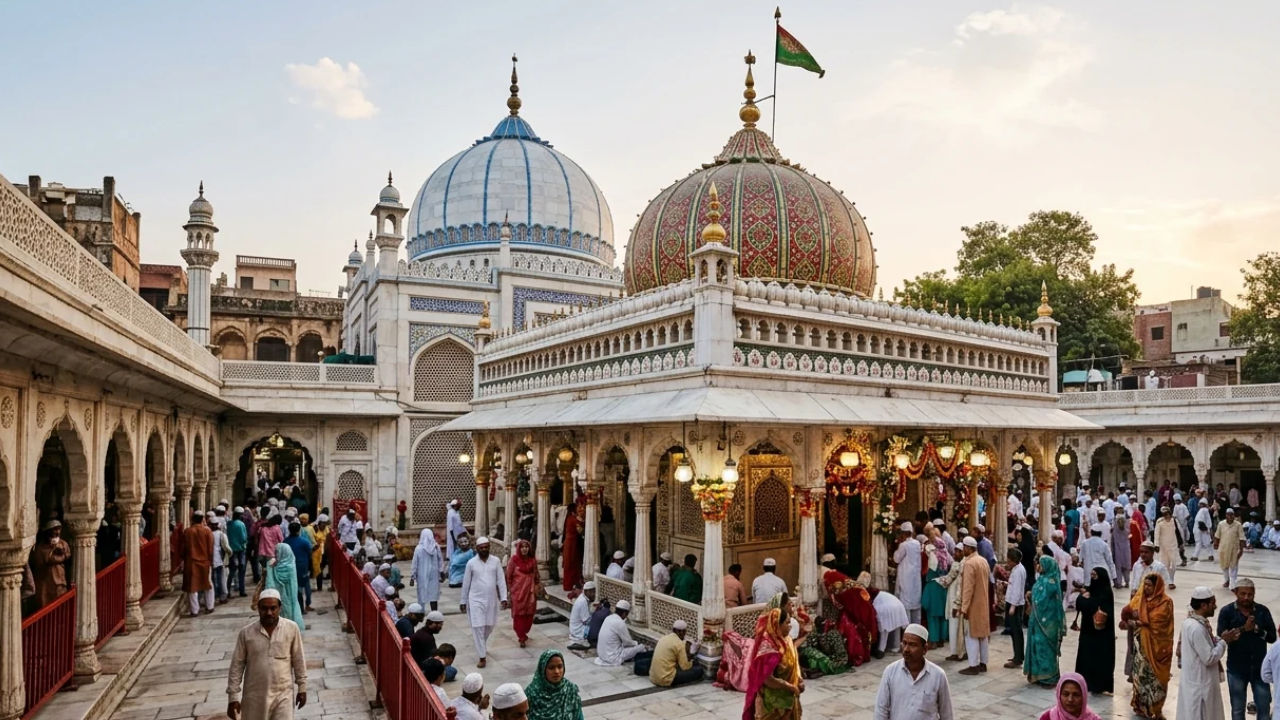
Nizamuddin Dargah is admired for its traditional Islamic architecture and peaceful spiritual environment.
The shrine features several beautiful architectural elements that make it special.
White Marble Dome: The main shrine is recognised by its elegant dome, which gives the structure a distinctive appearance.
Marble Jali Work: Decorative marble screens add beauty and create a traditional atmosphere around the sacred space.
Arched Entrances: Traditional arches reflect the architectural style associated with historic Indo-Islamic religious buildings.
Floral Decorations: Devotees often bring flowers and chadars as offerings at the shrine.
Courtyard: The courtyard becomes an important gathering place for visitors and devotees, particularly during religious occasions.
The architecture may appear simple compared with Delhi’s grand forts and palaces, but it’s spiritual importance makes it truly remarkable.
Qawwali at Nizamuddin Dargah – A Magical Musical Experience
One of the biggest attractions of Nizamuddin Dargah is its famous Sufi qawwali performance.
Qawwali is a traditional form of devotional music that expresses love, spirituality and devotion through beautiful poetry and powerful singing.
The shrine is particularly popular on Thursday evenings when qawwali performances attract large numbers of devotees and visitors.
During the performance, musicians sing traditional Sufi compositions accompanied by instruments such as the harmonium and tabla.
The music creates an unforgettable atmosphere, especially when the audience joins in with rhythmic clapping.
Why should you experience Thursday qawwali?
• Experience traditional Sufi devotional music.
• Listen to poetry associated with Amir Khusrau.
• Discover an important part of Delhi’s cultural heritage.
• Enjoy a unique spiritual atmosphere.
• Learn about the musical traditions of the Chishti Sufi order.
Interesting Fact: Amir Khusrau, the famous poet, musician and disciple of Hazrat Nizamuddin Auliya, is closely associated with the development of Indo-Persian musical and literary traditions.
Travel tip: Qawwali timings can change according to the season, prayer schedule and special occasions. Confirm the schedule before travelling.
Official Site, New Delhi+2
Tomb of Amir Khusrau – A Special Attraction
Another important attraction inside the Nizamuddin Dargah complex is the tomb of Amir Khusrau.
Amir Khusrau was a celebrated poet, musician and scholar who lived during the Delhi Sultanate period. He was a devoted disciple of Hazrat Nizamuddin Auliya.
He made significant contributions to Persian and Hindavi literature and is remembered for his influence on Indian music and poetry.
Visitors interested in history, literature and Sufi traditions should not miss this important resting place.
Interesting Point: Amir Khusrau and Hazrat Nizamuddin Auliya shared a close spiritual relationship, and their legacy remains an important part of Delhi’s cultural identity.
Archnet+1
Tomb of Jahanara Begum
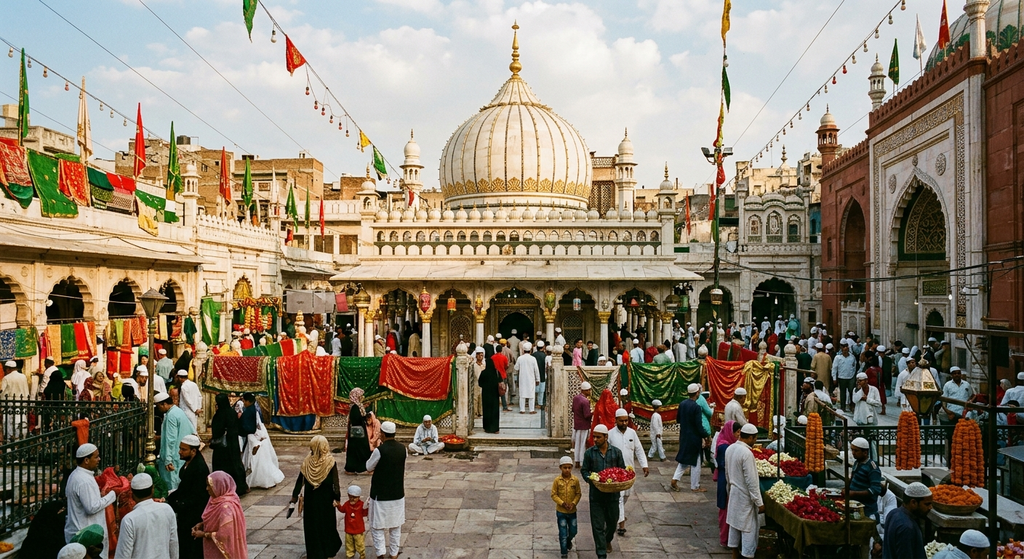
The tomb of Jahanara Begum, located near the main mosque, holds a significant place in history.
Jahanara Begum was the daughter of the Mughal Emperor Shah Jahan and she was an extremely prominent figure during the Mughal Empire.
Unlike the grand and elaborate Mughal tombs, his is simple and open to the sky. His modest design reflects his personal spiritual beliefs and his preference for simplicity.
This is an intriguing site for visitors interested in learning about the significant historical figures associated with Nizamuddin.
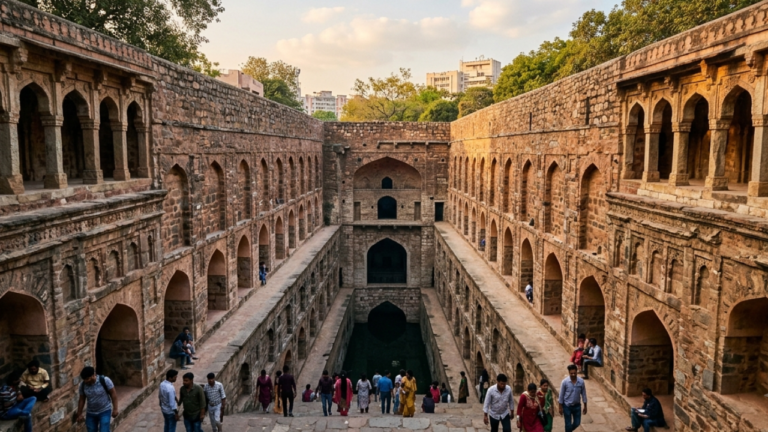
Nizamuddin Baoli – The Historic Stepwell
Nizamuddin Baoli is a historic stepwell located in the Nizamuddin Basti area.
It is associated with the period of Hazrat Nizamuddin Auliya and reflects the importance of traditional water management systems in medieval Delhi.
The stepwell is an interesting example of how water structures played an important role in the daily lives of historic communities.
For history enthusiasts, visiting the baoli adds another dimension to the Nizamuddin experience.
Interesting Fact: The historic stepwell is traditionally associated with Hazrat Nizamuddin Auliya’s lifetime, making it an important part of the neighbourhood’s heritage.
Nizamuddin Dargah Timings
If you are planning a visit, knowing the opening hours will help you organise your trip.
| Visitor information | Details |
|---|---|
| General opening hours | Approximately 5:00 AM–10:30 PM |
| Opening days | Every day |
| Entry fee | Free |
| Best day for qawwali | Thursday |
| Best time for a quieter visit | Weekday mornings |
| Location | Nizamuddin West, Delhi |
Timings may vary during religious events, special occasions and prayer schedules. Check the latest information before visiting.
Official Site, New Delhi+1
Nizamuddin Dargah Entry Fee
There is no general entry fee for visiting Hazrat Nizamuddin Dargah. Visitors from different religions and nationalities can visit the shrine.
However, you may find vendors selling flowers, rose petals, chadars and other offerings outside the shrine.
Remember these points:
• Entry is generally free.
• Offerings are optional.
• Donations are voluntary.
• Be careful about unsolicited demands for money.
• Confirm any special arrangements before your visit.
Best Time to Visit Nizamuddin Dargah
The best time to visit Nizamuddin Dargah depends on what kind of experience you want.
October to March: These months are generally comfortable for exploring Delhi’s historical and religious attractions because the weather is cooler.
Thursday Evening: Visit on Thursday if you want to experience the famous qawwali tradition.
Morning Hours: Weekday mornings are suitable for visitors who prefer a relatively peaceful atmosphere.
During Urs: The annual Urs commemorating the saint’s death anniversary is an important religious occasion. The shrine attracts many devotees during this period.
Avoid visiting during extremely hot afternoons in summer if you are uncomfortable with Delhi’s heat.
How to Reach Nizamuddin Dargah Delhi
Nizamuddin Dargah is well connected to different parts of Delhi through public transport.
By Metro: The nearest convenient metro station is Hazrat Nizamuddin on the Pink Line. Jangpura Metro Station is another option, depending on your route. You may need an auto-rickshaw or a short walk to reach the shrine.
By Train: Hazrat Nizamuddin Railway Station is located nearby. Visitors arriving by train can take an auto-rickshaw or taxi towards Nizamuddin Basti.
By Bus: Delhi Transport Corporation buses connect the surrounding area with different parts of the city.
By Taxi or Auto-Rickshaw: You can use a cab or auto-rickshaw to reach Nizamuddin West. The final approach involves narrow lanes, so vehicles may not reach the shrine entrance.
Travel Tip: If you are visiting for the first time, ask for Nizamuddin Dargah or Nizamuddin Basti rather than expecting a car to drop you directly at the shrine.
Places to Visit Near Nizamuddin Dargah
If you are exploring this part of Delhi, you can combine your visit with several nearby attractions.
Tomb of Mughal Emperor Humayun surrounded by Char Bagh gardens, Delhi, India
- Humayun’s Tomb
A magnificent Mughal monument famous for its gardens, architecture and historical importance.
Luis Monreal: Culture as a catalyst for development – AKDN - Sunder Nursery
A beautiful heritage park featuring gardens, historic structures and peaceful walking paths.
Isa Khan Niazi tomb at Humayun Tomb Complex Delhi – An artistic red sandstone and marble architectural structure designated as the UNESCO World Heritage site. - Isa Khan’s Tomb
A striking 16th-century tomb located within the Humayun’s Tomb complex.
New Delhi’s Khan Market Ranked 22nd Most Expensive Retail Market Globally - Khan Market
A popular shopping and dining destination in central Delhi.
Places to Visit in New Delhi | Ancient Tombs & Forts + Top UNESCO Sites - Lodhi Garden
A peaceful green space featuring historic tombs and beautiful walking paths.
These attractions make Nizamuddin an excellent starting point for a heritage-focused Delhi sightseeing trip.
Important Rules and Visitor Guidelines
Nizamuddin Dargah is an active religious place, not simply a tourist monument. Visitors should respect its customs and traditions.
Keep these guidelines in mind:
1. Cover your head: Carry a scarf, handkerchief or other suitable head covering.
2. Remove your shoes: Shoes must be removed before entering the sacred area.
3. Dress modestly: Wear respectful clothing suitable for a religious place.
4. Maintain silence: Avoid loud conversations and disturbing people who are praying.
5. Respect photography rules: Ask permission before photographing people and check restrictions inside the shrine.
6. Respect religious customs: Follow instructions from shrine staff and volunteers.
7. Avoid unnecessary littering: Keep the historic neighbourhood clean.
8. Be cautious with donations: Offer money only if you genuinely wish to contribute.
Famous Interesting Facts About Nizamuddin Dargah
Here are some interesting facts that make this destination special:
• The shrine is more than 700 years old.
• Hazrat Nizamuddin Auliya was born in 1238.
• The saint belonged to the Chishti Sufi order.
• His famous title was Mehboob-e-Ilahi, meaning Beloved of God.
• Amir Khusrau, his celebrated disciple, is buried nearby.
• Thursday qawwali is one of the shrine’s most famous traditions.
• The neighbourhood developed around the saint’s spiritual centre.
• The shrine is an important symbol of Delhi’s cultural and spiritual heritage.
• People from different religious backgrounds visit the shrine.
Special Interesting Fact: According to the official shrine website, Hazrat Nizamuddin Auliya lived during the reigns of thirteen Delhi Sultanate rulers but maintained his distance from royal power. His spiritual influence extended far beyond the royal courts.
Official Site, New Delhi+2
Why Is Nizamuddin Dargah Famous?
Nizamuddin Dargah is famous for several reasons:
• It is the resting place of Hazrat Nizamuddin Auliya.
• It represents the Chishti Sufi tradition.
• It is known for its traditional qawwali performances.
• It is associated with the legendary poet Amir Khusrau.
• It represents the cultural diversity of Delhi.
• It attracts pilgrims, international tourists, photographers and history lovers.
The biggest reason behind its popularity is its timeless message of love, kindness, peace and humanity.
Travel Tips for First-Time Visitors
If you are planning your first visit to Nizamuddin Dargah, these practical tips can make your experience more comfortable.
• Visit early if you want to avoid heavy crowds.
• Choose Thursday evening for the qawwali experience.
• Wear comfortable footwear that is easy to remove.
• Carry some cash for optional offerings.
• Keep your belongings secure in crowded lanes.
• Avoid taking a large vehicle into the narrow streets.
• Check the weather before planning your journey.
• Combine your visit with Humayun’s Tomb and Sunder Nursery.
• Allow extra time to explore the surrounding Nizamuddin Basti.
My Recommendation: If you have enough time, explore the historic lanes around the shrine instead of visiting only the main tomb. The neighbourhood itself is an important part of Delhi’s living heritage.
Frequently Asked Questions About Nizamuddin Dargah Delhi
Q1. Where is Nizamuddin Dargah located?
The Nizamuddin Dargah is located in South Delhi, in the Nizamuddin West area, near Hazrat Nizamuddin railway station.
Q2. Who is buried at Nizamuddin Dargah?
Hazrat Khwaja Nizamuddin Auliya, the famous Chishti Sufi saint, is buried at the shrine.
Q3. Is Nizamuddin Dargah free to visit?
Yes, general entry to Nizamuddin Dargah is free. Donations and offerings are optional.
Q4. What are the opening timings of Nizamuddin Dargah?
The general visiting hours are approximately 5:00 AM to 10:30 PM daily. Timings may change during special occasions.
Q5. Which day is best for qawwali at Nizamuddin Dargah?
Thursday evening is traditionally the most popular time to experience qawwali performances.
Q6. Can tourists of other religions visit Nizamuddin Dargah?
Yes. Visitors of different faiths and nationalities are welcome. Everyone should respect the shrine’s customs and religious traditions.
Q7. Who was Amir Khusrau?
Amir Khusrau was a celebrated poet, musician and disciple of Hazrat Nizamuddin Auliya. His tomb is located near the main shrine.
Q8. Which metro station is nearest to Nizamuddin Dargah?
Hazrat Nizamuddin Metro Station on the Pink Line is a convenient option. Jangpura Metro Station can also be considered.
Q9. What is Nizamuddin Dargah famous for?
It is famous for Sufi spirituality, qawwali music, the tomb of Hazrat Nizamuddin Auliya and its historical importance.
Q10. What are the best places to visit near Nizamuddin Dargah?
Humayun’s Tomb, Sunder Nursery, Isa Khan’s Tomb and Lodhi Garden are popular attractions to include in your sightseeing plan.
Conclusion
Nizamuddin Dargah is one of the most meaningful places to explore in Delhi. Its history, Sufi traditions, beautiful architecture and famous qawwali performances make it different from ordinary tourist attractions.
A visit here offers an opportunity to understand the city’s spiritual heritage and discover the teachings of Hazrat Nizamuddin Auliya.
Whether you are a history enthusiast, a cultural explorer, a photographer or a traveller looking for a peaceful experience, this historic shrine deserves your attention.
Come for the history, stay for the qawwali, and leave with a deeper understanding of Delhi’s timeless spirit.
If you are making a list of the best historical and religious places to visit in Delhi, add Nizamuddin Dargah to your travel itinerary.