Agrasen Ki Baoli, Delhi: A Hidden Historical Gem in the Heart of the Capital

Introduction
Agrasen Ki Baoli is one of Delhi’s most fascinating historical landmarks. Located near Connaught Place, this ancient stepwell attracts history lovers, photographers, architecture enthusiasts and tourists from across the world. With its mysterious atmosphere, stunning stone arches and rich heritage, Agrasen Ki Baoli offers a unique glimpse into Delhi’s glorious past.
Whether you’re planning your first visit or simply want to learn about its history, this complete guide covers everything you need to know about Agrasen Ki Baoli, including its history, architecture, timings, entry fee, nearest metro station, haunted stories and travel tips.
Meta Description: Explore Agrasen Ki Baoli in Delhi with this complete travel guide. Learn about its history, architecture, timings, entry fee, nearest metro station, haunted stories, and best time to visit.
What is Agrasen Ki Baoli ?
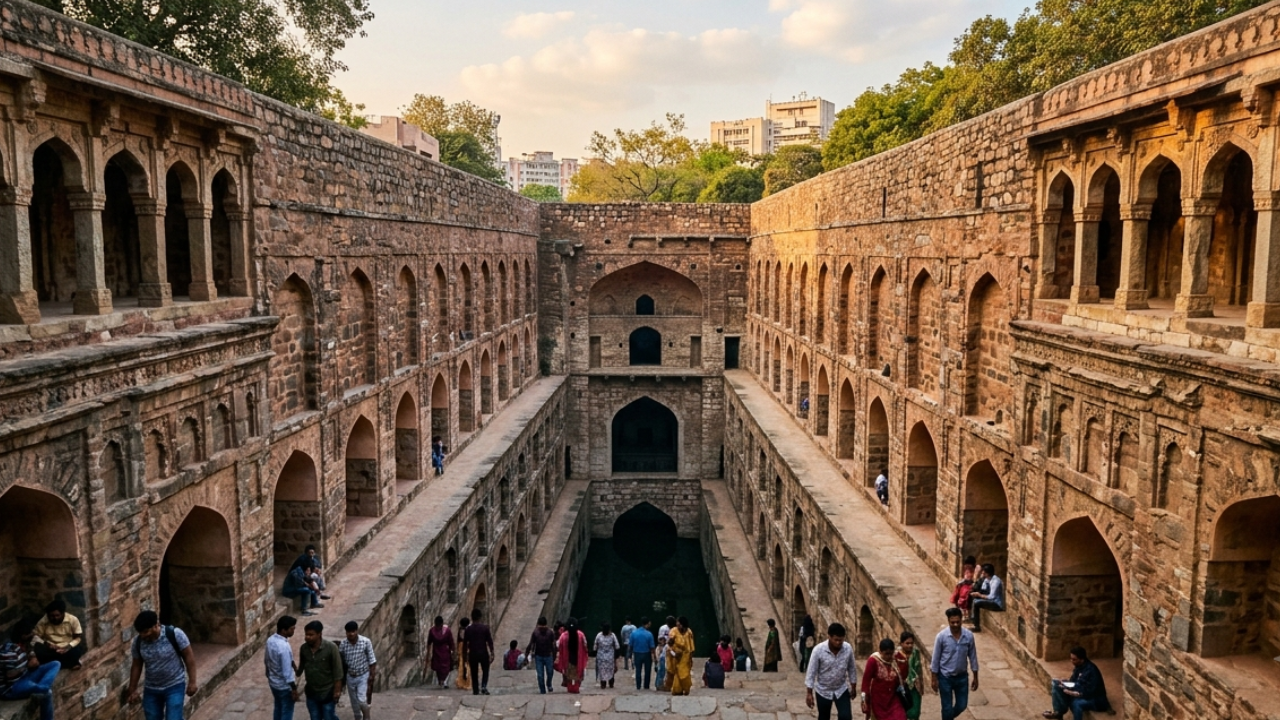
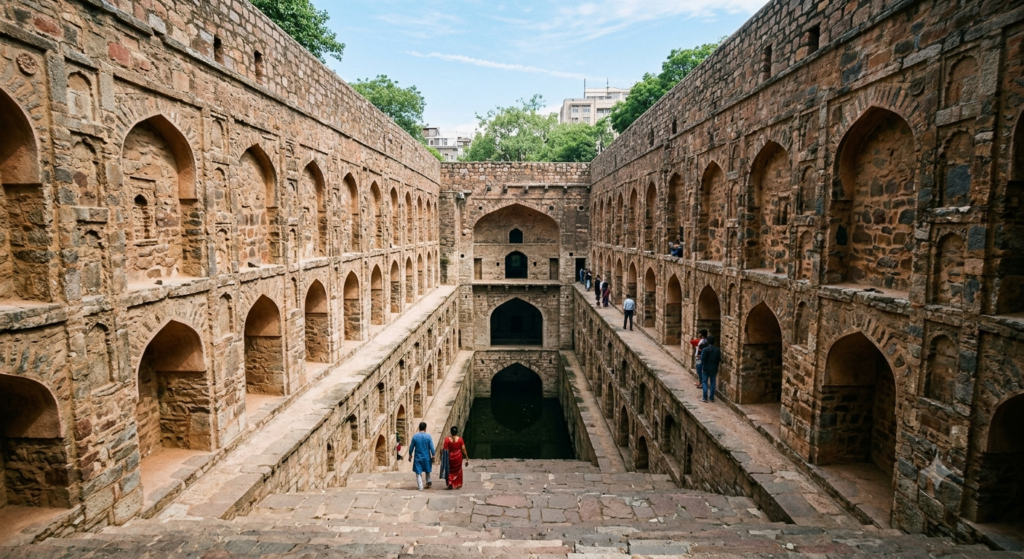
Agrasen Ki Baoli is a historical stepwell situated in the heart of New Delhi. The structure stretches approximately 60 meters in length and 15 meters in width, featuring 108 stone steps leading down to a reservoir.
A baoli, also known as a stepwell, was traditionally built to store rainwater and provide a community gathering space. Agrasen Ki Baoli served both practical and social purposes for centuries, making it an important example of India’s traditional water conservation systems.
Today, it is protected by the Archaeological Survey of India (ASI) and remains one of Delhi’s most visited heritage attractions.
History of Agrasen Ki Baoli
The history of Agrasen Ki Baoli is surrounded by both historical facts and fascinating legends.
According to popular belief, the original structure was built by Maharaja Agrasen, the legendary king of Agroha and the ancestor of the Agrawal community. However, historians suggest that the present structure was rebuilt during the Tughlaq or Lodi period, between the 14th and 15th centuries.
Although there is no definitive historical evidence connecting Maharaja Agrasen directly to the existing monument, the association has remained strong in local traditions.
Over time, the baoli served as a vital water source for nearby communities. As modern water systems developed, its importance gradually declined, but its architectural and cultural significance continued to grow.
Today, Agrasen Ki Baoli stands as an important reminder of medieval India’s engineering skills and sustainable water management practices.
Architecture of Agrasen Ki Baoli
One of the biggest attractions of Agrasen Ki Baoli is its remarkable architecture.
The stepwell features:
• 108 stone steps descending into the water tank
• Three levels of arched niches on both sides
• Traditional Indo-Islamic architectural elements
• Massive stone walls built with durable materials
• Symmetrical design that creates stunning visual effects
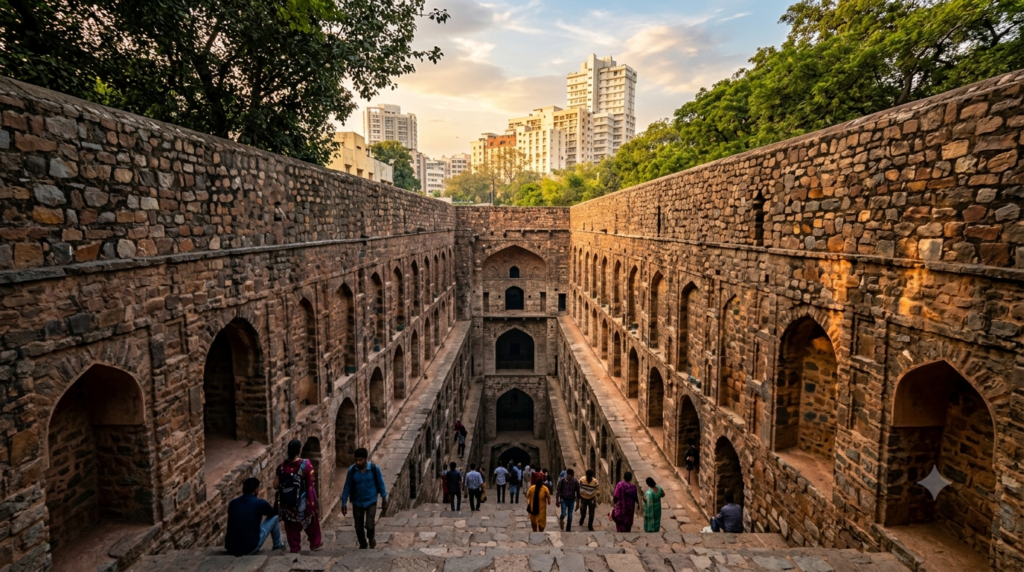
The repetitive arches and geometric patterns make it one of Delhi’s most Instagram worthy locations. Photographers especially love visiting during early morning or late afternoon when natural light enhances the monument’s beauty.
The structure showcases how ancient Indian engineers combined functionality with aesthetics, creating a space that was both practical and visually impressive.
Agrasen Ki Baoli Timings
Visitors can explore Agrasen Ki Baoli during the following hours:
Opening Time: 7:00 AM
Closing Time: 6:00 PM
The monument remains open on all days of the week, including weekends and public holidays.
For the best experience, visitors should arrive early in the morning to avoid crowds and enjoy comfortable weather conditions.
Agrasen Ki Baoli Entry Fee
One of the best things about visiting Agrasen Ki Baoli is that there is currently no entry fee.
Entry Fee: Free for all visitors
This makes it an excellent budget-friendly destination for students, families, solo travelers, and tourists exploring Delhi.
However, visitors should always check the latest guidelines from the Archaeological Survey of India before planning their trip, as policies may change in the future.
Nearest Metro Station to Agrasen Ki Baoli
The near by metro station to Agrasen Ki Baoli is:
Barakhamba Road Metro Station
• Distance: Approximately 700 meters
• Metro Line: Blue Line
• Walking Time: Around 10 minutes
Another Convenient Option
Rajiv Chowk Metro Station
• Distance: Around 1 kilometer
• Metro Lines: Blue and Yellow Lines
• Walking Time: 15–20 minutes
Most visitors combine their trip to Agrasen Ki Baoli with exploring Connaught Place and nearby attractions.
Best Time to Visit Agrasen Ki Baoli
The ideal time to visit Agrasen Ki Baoli is during the winter season.
October to March
The weather remains beautiful, making the visit comfortable and pleasant.
Best Time of Day
Early morning and late afternoon offer:
• Better lighting for photography
• Fewer tourists
• Cooler temperatures
• A peaceful atmosphere
Avoid visiting during peak summer afternoons, as Delhi’s heat can make the experience uncomfortable.
Haunted Stories and Myths About Agrasen Ki Baoli
Agrasen Ki Baoli is often included in lists of Delhi’s most haunted places.
According to popular legends, the stepwell once contained mysterious black water that allegedly attracted people through supernatural powers. While these stories have become an important part of local folklore, there is no scientific or historical evidence supporting such claims.
Many visitors report experiencing an eerie atmosphere inside the monument, largely due to its deep structure, quiet surroundings and echoing sounds.
The haunted reputation has made Agrasen Ki Baoli even more popular among tourists, paranormal enthusiasts and filmmakers.
Movies and Web Series Shot at Agrasen Ki Baoli
The unique architecture of Agrasen Ki Baoli has attracted filmmakers over the years.
One of the most famous Bollywood films featuring the monument is:
PK (2014)
The movie starring Aamir Khan included scenes shot at Agrasen Ki Baoli, introducing the location to a wider audience.
Its dramatic visual appeal continues to make it a favorite shooting location for films, advertisements, music videos and web content.
Things to Do at Agrasen Ki Baoli
Visitors can enjoy several activities at this historic site.
- Photography
The symmetrical stone steps and arches create stunning photo opportunities. - Heritage Exploration
History enthusiasts can learn about medieval water conservation systems and Delhi’s architectural heritage. - Relax and Experience the Atmosphere
The peaceful environment offers a refreshing escape from Delhi’s busy streets. - Combine It with Nearby Attractions
Popular nearby places include:
• Connaught Place
• India Gate
• Janpath Market
• Jantar Mantar
• National Museum
This makes Agrasen Ki Baoli an excellent addition to a full day Delhi itinerary.
Travel Tips for Visiting Agrasen Ki Baoli
To make your visit more enjoyable, keep these tips in mind:
- Wear comfortable footwear for climbing the stone steps.
- Carry drinking water, especially during summer.
- Arrive early in the morning to avoid crowds.
- Respect heritage guidelines and avoid littering.
- Be cautious while descending the stairs, as some areas can be uneven.
- Follow instructions issued by the Archaeological Survey of India.
Why Agrasen Ki Baoli is Important
Agrasen Ki Baoli represents more than just a tourist attraction.
It demonstrates:
• Ancient Indian engineering excellence
• Traditional water conservation methods
• Medieval architectural brilliance
• Delhi’s rich cultural heritage
• Community centered urban planning
In an era of modern environmental challenges, historical structures like Agrasen Ki Baoli remind us of sustainable practices that existed centuries ago.
Frequently Asked Questions (FAQs)
Are there any ghost stories associated with Agrasen Ki Baoli?
There are many legends and ghost stories associated with Agrasen Ki Baoli, but there is no scientific evidence to substantiate these claims.
What is the entry fee to Agrasen Ki Baoli?
Admission to Agrasen Ki Baoli is free for all visitors.
How many steps are there from Agrasen to Baoli?
There are 108 stone steps leading to the water reservoir.
Which metro station is near Agrasen Ki Baoli?
Barakhamba Road Metro Station is the closest.
Who made Agrasen Ki Baoli?
Many believe it was built by Maharaja Agrasen, but historians say that the structure seen today was rebuilt during the Tughlaq or Lodi dynasty.
What are the visiting hours?
The site is open daily from 7:00 AM to 6:00 PM.
Conclusion
Agrasen Ki Baoli is one of the most interesting historical places of Delhi. The combination of history, architecture, mystery and culture makes it a tourist destination for locals and tourists a like.
Whether you’re interested in photography, heritage or simply exploring hidden gems in Delhi, this ancient stepwell offers an unforgettable experience. The timeless beauty of Agrasen Ki Baoli continues to captivate visitors and stands as a remarkable example of India’s rich architectural legacy.
If you’re planning a trip to Delhi, make sure to add Agrasen Ki Baoli to your travel itinerary and discover one of the capital city’s most fascinating historical treasures.