Mehrauli Archaeological Park Delhi: History, Monuments, Timings, Entry Fee and Travel Guide

Introduction to Mehrauli Archaeological Park Delhi
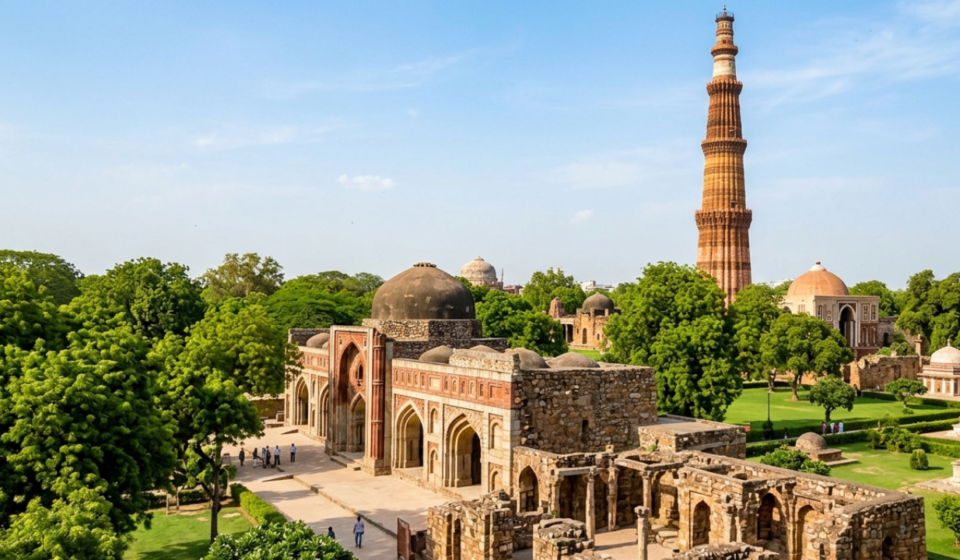
Mehrauli Archaeological Park Delhi is one of the most fascinating historical places in South Delhi. Located near the famous Qutub Minar, this heritage destination offers visitors a chance to explore centuries of Indian history through ancient tombs, stepwells, mosques, gateways and architectural ruins.
Unlike many popular tourist attractions in Delhi, Mehrauli Archaeological Park provides a quieter experience where visitors can discover lesser known monuments surrounded by greenery. The park brings together architectural remains associated with different historical periods, making it an excellent destination for history enthusiasts, photographers, students and travellers.
Whether you are planning a weekend outing, a heritage walk, or a sightseeing trip around South Delhi, Mehrauli Archaeological Park deserves a place on your travel itinerary.
History of Mehrauli Archaeological Park
The history of Mehrauli Archaeological Park reflects the long and complex development of Delhi as a centre of political power, culture, architecture and religious life.
The wider Mehrauli region has connections with early settlements and the fortified city of Lal Kot, traditionally associated with the Tomar rulers. Later, successive dynasties added tombs, mosques, water structures and other buildings to the surrounding landscape.
During the Delhi Sultanate, the area developed further as rulers, nobles, religious figures and local communities established important structures. Later periods introduced additional architectural features, including monuments associated with the Lodis and Mughals.
The region also experienced changes during British rule in the nineteenth century. British official Thomas Metcalfe developed a retreat known as Dilkusha, adapting existing structures and constructing buildings for leisure and accommodation.
Today, the archaeological park preserves an important collection of heritage structures that illustrate how Delhi evolved over many centuries. Its historical value lies not in a single monument but in the remarkable variety of buildings found throughout the area.
Famous Monuments to Explore in Mehrauli Archaeological Park
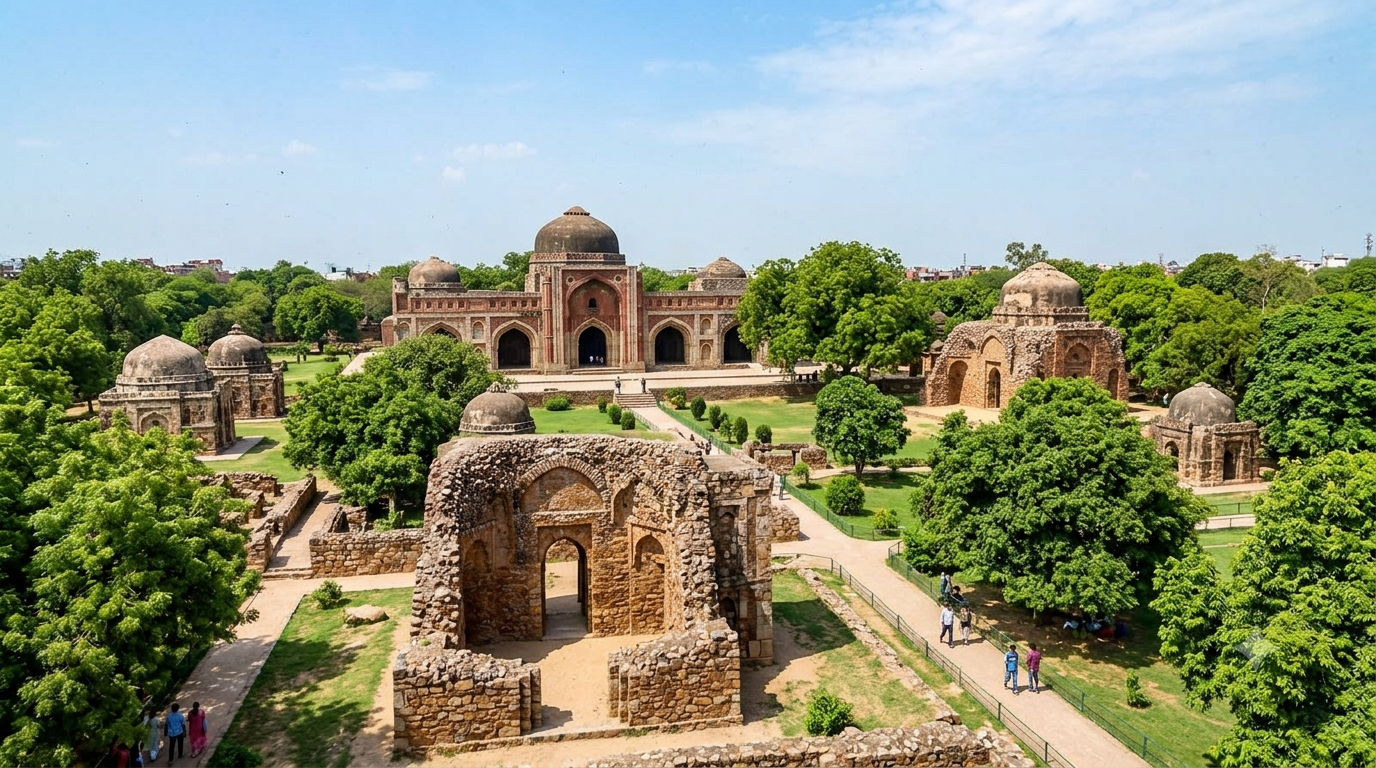
One of the biggest attractions of Mehrauli Archaeological Park is its collection of historic monuments. Each structure has distinctive architectural features and a story connected with Delhi’s past.
Jamali Kamali Mosque and Tomb
The Jamali Kamali Mosque and Tomb is among the most recognisable monuments in Mehrauli Archaeological Park.
The complex dates to the early sixteenth century and is associated with Jamali, a Sufi poet and Kamali, whose identity remains less certain. Its architecture features decorative stonework, arched openings and an elegant central dome.
Mosques and tombs give insights into the artistic and religious traditions of the period. Their unique appearance and historic atmosphere makes them attractive to visitors who appreciate Indo-Islamic architecture.
The place is also steeped in local folklore, adding to the appeal of heritage buffs.
Stepwell
Rajon Ki Baoli is a historic stepwell and one of the main attractions in the park.
A baoli is a traditional water structure built with descending stairs that allow people to reach the pooled water. These structures play an important role in water management, especially in areas where access to water is scarce during the dry season.
Rajon Ki Baoli is known for its symmetrical staircases, arched niches, and multi-tiered design. As you walk down the structure, you can see how architecture and engineering work together to create a useful water reservoir.
For travelers interested in traditional Indian architecture, Rajon Ki Baoli is a must see.
Balban’s Tomb
Balban’s Tomb is another historically significant monument associated with the Delhi Sultanate.
The tomb is linked to Ghiyas ud din Balban a ruler of the Mamluk dynasty who played an important role in strengthening the Sultanate during the thirteenth century.
Its architectural importance comes from the use of a true arch and dome, marking a significant stage in the development of Indo Islamic building techniques in India.
Although the monument is relatively understated compared with some of Delhi’s grander tombs, its historical and architectural significance makes it an essential stop for anyone exploring Mehrauli’s heritage.
Quli Khan’s Tomb
Quli Khan’s Tomb is associated with the historical landscape of Mehrauli and the transformations that took place during the British period.
The monument became part of Thomas Metcalfe’s Dilkusha retreat complex in the nineteenth century. This transformation reflects how older Indian structures were sometimes adapted for new uses under colonial rule.
The tomb and its surroundings are particularly interesting for visitors who want to understand the changing relationship between historic monuments, gardens and leisure spaces.
Metcalfe’s Boathouse
Metcalfe’s Boathouse is a distinctive heritage structure connected with the Dilkusha complex.
The design of this building draws inspiration from an ancient cemetery and is part of the expansive landscape designed by Thomas Metcalfe. Its proximity to the water makes it a prime example of how historical structures can be integrated with areas for recreation and leisure. The boathouse also highlights the different layers of history found within Mehrauli Archaeological Park, where medieval structures and nineteenth century adaptations coexist.
Metcalfe’s Circular Monument
The Circular Monument is another notable structure associated with the Dilkusha retreat.
Originally used as a dining hall during the nineteenth century, the building has undergone restoration and adaptive reuse. It’s present role as a café space demonstrates how historic structures can sometimes be given new functions while retaining their architectural character.
It offers visitors an opportunity to appreciate the park’s heritage in a setting that connects historical preservation with contemporary use.
Other Historic Tombs and Ruins
Beyond the better known attractions, Mehrauli Archaeological Park contains several lesser known tombs, gateways, walls and architectural remains.
Some structures have clearly documented histories, while others are known mainly through their design and archaeological context. Exploring these lesser known sites is part of the park’s appeal.
Rather than rushing from one monument to another, take time to observe the masonry, arches, domes, stone carvings and changes in building techniques. These details reveal the architectural diversity of Delhi across different centuries.
Architecture of Mehrauli Archaeological Park
The architecture of Mehrauli Archaeological Park reflects several periods of Delhi’s development.
Visitors can find examples of:
• Indo-Islamic architecture: Arches, domes, geometric patterns, and decorative details.
• Medieval tomb architecture: Square or polygonal plans, raised platforms and domed roofs.
• Traditional water engineering: Stepwells and structures designed to collect and store water.
• Historic landscape design: Gardens, water bodies, pathways and buildings integrated into their surroundings.
• Colonial period adaptations: Older monuments modified for new purposes during British rule.
This variety makes the park an excellent outdoor learning destination for architecture students, researchers, photographers and travellers.
Best Time to Visit Mehrauli Archaeological Park Delhi
The best time to visit Mehrauli Archaeological Park is generally from October to March, when Delhi’s weather is more comfortable for outdoor sightseeing.
Winter (October to March): Pleasant temperatures make this season ideal for heritage walks, photography and exploring the monuments.
Summer (April to June): Temperatures can become extremely high. If visiting during summer, choose the early morning and carry sufficient drinking water.
Monsoon (July to September): The greenery can make the park attractive, but rain may leave pathways slippery or muddy. Check local conditions before visiting.
Early mornings are particularly suitable for visitors who prefer quieter surroundings and softer natural light for photography.
Mehrauli Archaeological Park Timings
According to Delhi Tourism’s published information, Mehrauli Archaeological Park is open daily from 5:00 AM to 6:00 PM.
However, access to individual monuments or facilities may differ and timings can change because of maintenance, restoration work, or special circumstances. Confirm the latest information before travelling.
For the most enjoyable experience, consider arriving in the morning so you have enough time to explore the site without rushing.
Mehrauli Archaeological Park Entry Fee
Visitors should check the latest entry-fee information before their visit because charges and access arrangements may change.
The Delhi Development Authority has published revised entry fee rates for the park. The applicable fee may depend on visitor category and separate charges or arrangements may apply to particular facilities.
Carry a suitable payment method and verify current ticket prices through official Delhi Development Authority information before planning your trip.
How to Reach Mehrauli Archaeological Park
Mehrauli Archaeological Park is situated in South Delhi, close to Qutub Minar and the historic Mehrauli neighbourhood.
Metro: The nearest metro station is Qutub Minar on the Delhi Metro Yellow Line. From the station, you can continue by auto-rickshaw, taxi or another local transport option.
Bus: Delhi’s bus network serves the wider Mehrauli area. Check the most convenient stop and route based on your starting point.
Taxi or Auto-Rickshaw: App-based taxis and local auto-rickshaws provide convenient transport from nearby neighbourhoods and metro stations.
Personal Vehicle: Visitors can travel by car or motorcycle, but parking availability should be checked before arrival.
If you are visiting from another part of Delhi, combining the park with Qutub Minar can make the journey more worthwhile.
Places to Visit Near Mehrauli Archaeological Park
Mehrauli is surrounded by several historical and cultural attractions that can be included in the same sightseeing trip.
Qutub Minar
Qutub Minar is one of Delhi’s most famous landmarks and a UNESCO World Heritage Site. Its monumental height, intricate stonework and surrounding historic complex make it a natural addition to a Mehrauli itinerary.
Chhatarpur Temple
Chhatarpur Temple is a well known religious destination in South Delhi. Visitors interested in spiritual sites and contemporary temple architecture may wish to include it in their travel plans.
Hauz Khas Village
Hauz Khas Village combines historic monuments with cafés, shops and a lively urban atmosphere. It is a good option for travellers looking to continue their exploration of Delhi’s heritage and modern culture.
Sanjay Van
Sanjay Van is a large green area near the Mehrauli and Vasant Kunj region. It can appeal to visitors interested in natural surroundings, walking and escaping the city’s busy streets.
Check access conditions, opening hours, and travel times before combining multiple destinations in one day.
Things to Do at Mehrauli Archaeological Park
There are several ways to enjoy your visit beyond simply looking at monuments.
1. Take a heritage walk: Explore the historic structures and discover the different architectural periods represented in the park.
2. Photography: Capture arches, domes, stepwells, stone textures, and scenic views.
3. Study historic architecture: Observe construction techniques and decorative features.
4. Enjoy nature: Appreciate the greenery and quieter atmosphere between monuments.
5. Explore lesser-known ruins: Allow time to discover structures beyond the most popular attractions.
6. Plan a historical day trip: Combine the park with Qutub Minar and other nearby destinations.
Travel Tips for Visiting Mehrauli Archaeological Park
Keep these practical tips in mind to make your visit more comfortable.
• Wear comfortable walking shoes because exploring the park involves walking on uneven paths and historic surfaces.
• Carry drinking water, especially during warmer months.
• Bring sun protection, including a hat and sunscreen.
• Keep your camera or phone ready, but respect any photography restrictions.
• Avoid climbing on old structures, walls or fragile monuments.
• Do not litter or damage historic features.
• Follow signs and any instructions provided by site authorities.
• Allow extra time to explore because the monuments are spread across a substantial area.
• Check the latest opening information before setting out.
Visitors should also be careful around stepwells, broken masonry and uneven ground.
Why Is Mehrauli Archaeological Park Worth Visiting?
Mehrauli Archaeological Park is worth visiting because it offers a different perspective on Delhi’s history.
While major attractions such as Red Fort and Qutub Minar receive considerable attention, Mehrauli allows visitors to explore a broader historic landscape featuring tombs, stepwells, mosques and remnants of different periods.
The park is especially valuable for people who enjoy discovering lesser known destinations. It combines historical interest, architectural variety, outdoor exploration and opportunities for photography in one place.
For tourists who want to go beyond Delhi’s most familiar landmarks, this archaeological park offers a rewarding experience.
Frequently Asked Questions About Mehrauli Archaeological Park Delhi
- Where is Mehrauli Archaeological Park located?
Mehrauli Archaeological Park is located in South Delhi, near Qutub Minar and the historic Mehrauli neighbourhood. - What is Mehrauli Archaeological Park famous for?
The park is famous for its historic tombs, Jamali Kamali Mosque and Tomb, Rajon Ki Baoli stepwell, Balban’s Tomb and structures associated with Thomas Metcalfe’s Dilkusha retreat. - When was Mehrauli Archaeological Park established?
Delhi Tourism reports that the park is open daily from 5:00 AM to 6:00 PM. Visitors should check the opening hours before heading there. - Which metro station is nearest to Mehrauli Archaeological Park?
The Qutub Minar station on the Yellow Line is the closest. - How much time does it take to visit the park?
Allow two to three hours if you want to see everything. Anyone interested in photography, ancient architecture, or a detailed historical tour might want to stay longer. - Is Mehrauli Archaeological Park a good place for photography?
Yes. The historical architecture, stepwells, ruins, and natural landscape offer excellent photo opportunities, provided applicable rules are followed. - Can I visit the Qutub minar and Mehrauli archaeological sites on the same day?
Yes. Since these two sites are close to each other, it is easy to plan a visit to both during the same outing. - Is Mehrauli Archaeological Park suitable for families?
Yes, families interested in history and outdoor exploration can enjoy the park. However, adults should supervise children around uneven paths, ruins and stepwells.
Conclusion
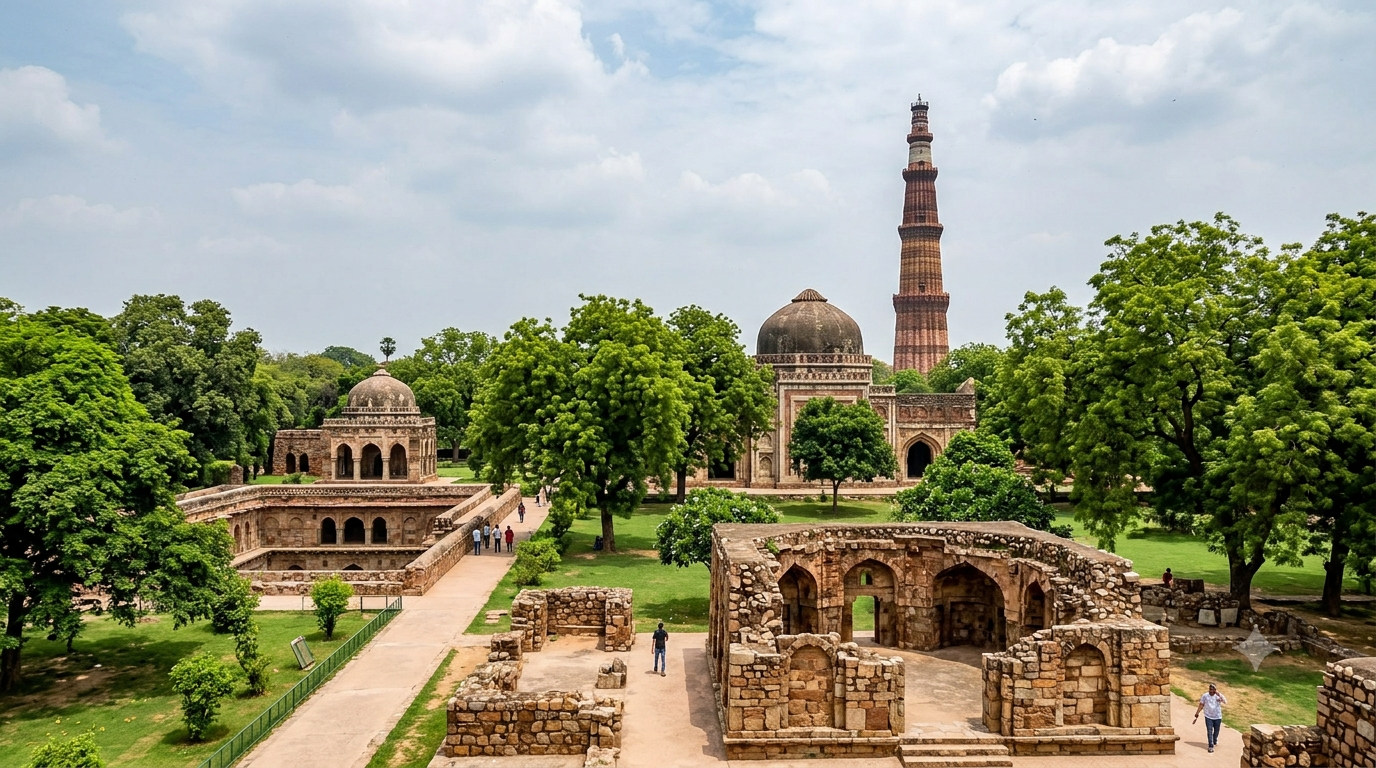
Mehrauli Archaeological Park Delhi is a remarkable destination for anyone interested in the city’s history, architecture and hidden heritage. It’s collection of medieval tombs, historic stepwells, mosques, and colonial period adaptations reveals how different communities and rulers shaped the Mehrauli landscape over time.
From the architectural importance of Balban’s Tomb to the intricate design of Rajon Ki Baoli and the history of the Jamali Kamali complex, every visit offers something new to discover.
If you are searching for historical places in Delhi, peaceful heritage destinations or interesting things to do in South Delhi, add Mehrauli Archaeological Park to your travel itinerary. Take your time, respect the monuments and enjoy exploring one of Delhi’s most fascinating historic landscapes.