Qudsia Bagh Delhi: History, Location, Timings, Things to Do & Complete Travel Guide

Introduction
Qudsia Bagh Delhi is a historic garden located near Kashmere Gate in Old Delhi. Known for its old Mughal era atmosphere, landscaped greenery, historic structures and connection with Delhi’s royal past, Qudsia Bagh is an interesting destination for travelers who want to explore places beyond the city’s most famous monuments.
Situated close to the Yamuna River and the historic Kashmere Gate area, Qudsia Bagh offers a quieter experience compared with some of the busier tourist attractions in Old Delhi. The garden is associated with Qudsia Begum, the influential wife of Mughal emperor Muhammad Shah Rangila.
For history lovers, photographers, architecture enthusiasts and travelers exploring North Delhi, Qudsia Bagh can be an appealing stop on a Delhi sightseeing itinerary.
Qudsia Bagh Delhi Overview
Qudsia Bagh is a historic garden complex in the Kashmere Gate area of Delhi. The site combines greenery with remnants of historic architecture, giving visitors a glimpse into the city’s changing landscape.
The garden is particularly interesting because it represents an important period in Delhi’s Mughal history. Although much of the original complex has changed over time, some historic elements remain and help visitors understand the importance of the area.
Quick facts about Qudsia Bagh Delhi
• Location: Kashmere Gate, Delhi
• Area: North Delhi
• Historical association: Mughal period
• Associated with: Qudsia Begum
• Best for: History, photography, walking and sightseeing
• Nearby attraction: Kashmere Gate and Old Delhi
• Ideal visit: Morning or late afternoon
• Type of attraction: Historic garden and heritage site
History of Qudsia Bagh
The history of Qudsia Bagh Delhi is closely connected with the Mughal court of the 18th century.
Qudsia Begum for wife of Mughal Emperor Muhammad Shah. He became an influential figure in the royal court, and tradition attributes the creation of this garden to him.
The garden was created as a landscaped retreat and contained buildings, pathways, water features and other elements associated with historic Mughal garden design.
During its earlier period, Qudsia Bagh would have been considerably more elaborate than what visitors see today. Delhi experienced political changes, invasions, urban expansion and repeated transformations over the centuries. These events affected many historic gardens and monuments, including Qudsia Bagh.
Today, the surviving garden and architectural remains provide an opportunity to learn about Delhi’s royal and cultural history.
Who Was Qudsia Begum?
Qudsia Begum was an important woman in the court of Muhammad Shah, who ruled the Mughal Empire during the 18th century.
She was known for her influence within the royal court and became associated with the development of Qudsia Bagh.
The garden’s name reflects this historical connection. Visiting the site therefore offers more than a simple green space experience it provides an opportunity to explore the role of royal women in Delhi’s architectural and cultural history.
Architecture of Qudsia Bagh
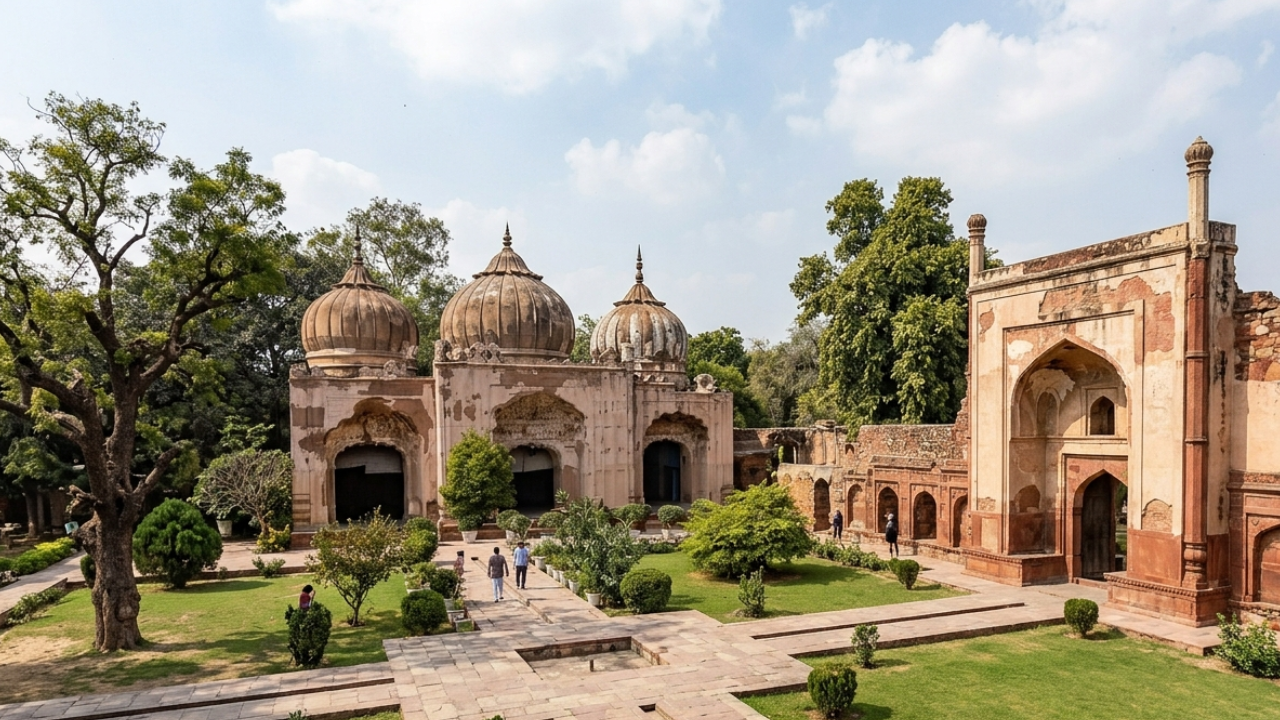
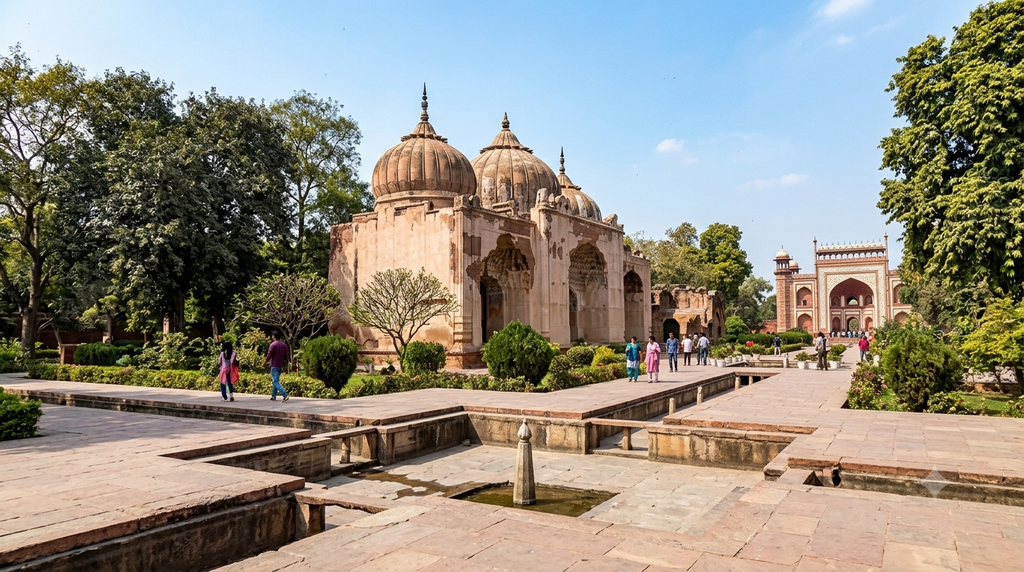
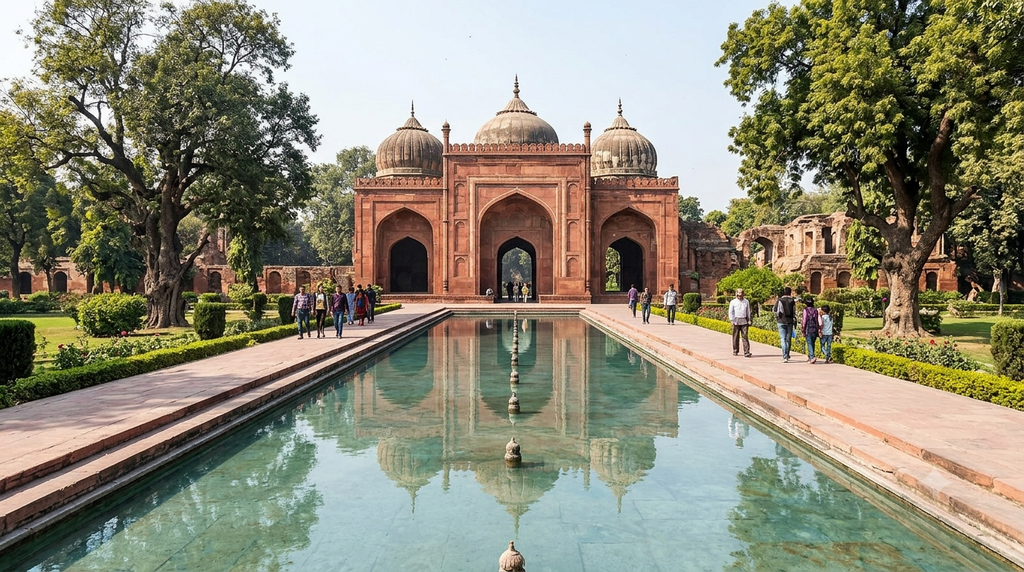
The architectural remains of Qudsia Bagh reflect the historic character of Delhi’s Mughal era Garden culture.
Traditional Mughal gardens often emphasized symmetry, greenery, water, open spaces, and carefully designed structures. Gardens could function as places for relaxation, royal gatherings, entertainment and private retreats.
Although Qudsia Bagh has undergone considerable changes, its remaining structures and landscape help visitors imagine how the area may have looked in its historic period.
The surviving elements are especially interesting for travelers who enjoy heritage architecture and less-commercialized historical locations.
Qudsia Bagh Delhi Location
Qudsia Bagh is located in the Kashmere Gate area of North Delhi.
Its location makes it convenient to combine with several other attractions in Old Delhi. Visitors can plan a heritage walk covering Qudsia Bagh, Kashmere Gate, and other historical sites in the surrounding area.
Because the neighborhood is one of the oldest parts of Delhi, traveling to Qudsia Bagh can itself become part of the sightseeing experience.
How to Reach Qudsia Bagh Delhi
Qudsia Bagh is relatively accessible because Kashmere Gate is one of Delhi’s major transport hubs.
By Metro
The Kashmere Gate Metro Station is one of the most convenient options for reaching the area.
Kashmere Gate is served by multiple Delhi Metro corridors, making it accessible from different parts of Delhi and the National Capital Region.
From the metro station, visitors can continue toward the garden by walking or using local transport, depending on the exact entrance and current accessibility.
By Bus
Delhi’s extensive bus network connects the Kashmere Gate area with many parts of the city. Visitors can choose a bus route that stops around Kashmere Gate and then continue toward Qudsia Bagh.
By Auto Rickshaw or Taxi
Auto-rickshaws and taxis are another convenient option, particularly for visitors carrying luggage or traveling with family.
By Private Vehicle
Visitors driving to Qudsia Bagh should consider traffic and parking conditions around Kashmere Gate. Old Delhi roads can become busy, especially during peak hours.
Qudsia Bagh Delhi Timings
Opening arrangements and visitor access can change, so travelers should verify the latest local information before planning their visit.
For sightseeing, morning and late afternoon are generally more comfortable than the middle of the day, especially during Delhi’s hotter months.
If you are visiting primarily for photography, early morning can provide softer natural light and a more peaceful atmosphere.
Best Time to Visit Qudsia Bagh
The best time to visit Qudsia Bagh depends on weather and the type of experience you want.
October to March
The cooler months are generally more comfortable for exploring Delhi’s outdoor heritage attractions.
Winter mornings and afternoons are particularly suitable for walking around the garden and nearby historical areas.
Summer
Delhi summers can be extremely hot. If you visit during this season, early morning or late afternoon is preferable.
Monsoon
The rainy season can make the greenery around Delhi more attractive, although wet conditions may affect walking and photography.
Things to Do in Qudsia Bagh Delhi
Qudsia Bagh is not simply a place to walk through. Visitors interested in Delhi’s history can use the site as a starting point for exploring the city’s heritage.
- Explore the Historic Garden
Take time to walk through the garden and observe its greenery, pathways and surviving historical features. - Study the Architecture
Look carefully at the remaining structures and architectural details. Even partially preserved buildings can provide valuable clues about Delhi’s historic development. - Take Photographs
The combination of old architecture and greenery creates interesting photography opportunities.
Morning and late afternoon light can be particularly attractive for architectural and landscape photography. - Learn About Mughal Delhi
Qudsia Bagh is a useful place for understanding the broader history of Mughal Delhi and the city’s historic gardens. - Explore Kashmere Gate
After visiting the garden, explore the surrounding Kashmere Gate area. The neighborhood contains several important reminders of Delhi’s colonial and pre-colonial history. - Plan a Heritage Walk
Qudsia Bagh can be included in a larger Old Delhi heritage itinerary. Combining several nearby historical locations can make the visit more meaningful.
Places to Visit Near Qudsia Bagh Delhi
One of the biggest advantages of visiting Qudsia Bagh is it’s location.
Kashmere Gate
Kashmere Gate is one of the historic gates of Shahjahanabad, the walled city established by Mughal emperor Shah Jahan.
The surrounding area has played an important role in Delhi’s history.
Old Delhi
Old Delhi is one of the best areas of the city for experiencing historic streets, markets, food, religious sites and architecture.
Red Fort
The Red Fort is one of Delhi’s most famous historical landmarks. Its proximity makes it a natural addition to a Qudsia Bagh sightseeing itinerary.
Jama Masjid
Jama Masjid is another major Old Delhi attraction and can be combined with a wider heritage tour.
St. James’ Church
Located near Kashmere Gate, St. James’ Church is an important historic church and another interesting stop for visitors exploring the area’s heritage.
Why Visit Qudsia Bagh?
There are many reasons to add Qudsia Bagh to a Delhi travel itinerary.
First, it provides a different experience from Delhi’s most crowded tourist attractions. Instead of visiting only famous monuments, travelers can explore a lesser known historic location.
Second, the garden has an interesting connection with Mughal history and Qudsia Begum.
Third, its location near Kashmere Gate makes it easy to combine with other heritage attractions.
Finally, Qudsia Bagh demonstrates how Delhi’s history can be discovered not only through large monuments but also through gardens, ruins, streets and smaller heritage sites.
Qudsia Bagh for Photography
Photography enthusiasts may find Qudsia Bagh particularly interesting.
Historic architecture surrounded by trees and open spaces can create a contrast between Delhi’s past and present.
For better photographs, consider visiting during the early morning or late afternoon. Avoid harsh midday sunlight when possible.
Before using professional equipment or conducting a commercial photoshoot, check the site’s current rules and permissions.
Qudsia Bagh for History Lovers
For history enthusiasts, Qudsia Bagh offers an opportunity to explore an important but comparatively less-publicized part of Delhi’s heritage.
The garden’s association with the Mughal court makes it particularly relevant to visitors interested in the later Mughal period.
It can also encourage travelers to look beyond Delhi’s major monuments and investigate the smaller historical sites that form an important part of the city’s cultural landscape.
Tips for Visiting Qudsia Bagh Delhi
Keep these practical tips in mind:
• Visit during comfortable weather whenever possible.
• Morning and late afternoon are good choices for outdoor exploration.
• Wear comfortable footwear.
• Carry drinking water, particularly during warmer months.
• Respect historic structures and avoid touching or damaging architectural remains.
• Keep the garden clean.
• Before visiting the facility, check the latest information regarding opening hours and availability.
• Combine Qudsia Bagh with nearby Kashmere Gate attractions.
• Allow extra travel time because traffic around Old Delhi can be heavy.
• Carry a camera or smartphone if you enjoy heritage photography.
Is Qudsia Bagh Worth Visiting?
Qudsia Bagh can be an interesting destination for travelers who enjoy Delhi history, Mughal architecture, heritage gardens, photography and lesser known tourist places.
It may not offer the scale of the Red Fort or the architectural grandeur of Humayun’s Tomb, but it’s value comes from its historical atmosphere and connection to Delhi’s past.
For travelers building a detailed Delhi sightseeing itinerary, Qudsia Bagh can add another layer to the story of the city.
Frequently Asked Questions About Qudsia Bagh Delhi
Where is Qudsia Bagh located?
Qudsia Bagh is located in the Kashmere Gate area of Delhi, in North Delhi.
Why is Qudsia Bagh famous?
Qudsia Bagh is known for its historical association with Qudsia Begum, wife of Mughal emperor Muhammad Shah as well as its historic garden setting and surviving architectural remains.
Who built Qudsia Bagh?
Qudsia Bagh is traditionally associated with Qudsia Begum and the Mughal court during the reign of Muhammad Shah.
What is the nearest metro station to Qudsia Bagh?
Kashmere Gate Metro Station is the major metro station serving the area.
Best time to visit Qudsia Bagh?
The cooler months from October to March are generally comfortable for exploring outdoor attractions in Delhi. Morning and late afternoon are also suitable times for visiting.
Is Qudsia Bagh good for photography?
Yes. The combination of greenery and historic architecture can provide attractive photography opportunities, subject to site rules.
What can I visit near Qudsia Bagh?
Visitors can explore Kashmere Gate and other Old Delhi attractions, including the Red Fort and Jama Masjid as part of a wider sightseeing itinerary.
How long does it take to explore Qudsia Bagh?
The time required depends on your interest. A short visit can cover the main garden and historic features, while history enthusiasts may spend longer exploring the area and nearby heritage sites.
Conclusion
Qudsia Bagh Delhi is a fascinating destination for travelers who want to discover a quieter side of Delhi’s rich historical landscape. It’s association with Qudsia Begum, Mughal-era heritage, greenery and location near Kashmere Gate make it an interesting addition to a Delhi sightseeing plan.
While famous attractions such as the Red Fort, Qutub Minar, India Gate, and Humayun’s Tomb attract most visitors, places like Qudsia Bagh show that Delhi’s history extends far beyond its best-known monuments.
If you are exploring historic places in Delhi, planning an Old Delhi heritage walk, or searching for lesser known tourist attractions, Qudsia Bagh deserves a place on your list.