National Gandhi Museum Delhi: Timings, Entry Fee & History
Introduction
Are you looking for a historical place in Delhi that offers more than beautiful photographs and sightseeing? The National Gandhi Museum Delhi is a meaningful destination where visitors can explore the life, principles and legacy of Mahatma Gandhi, one of the most influential leaders of India’s freedom movement.
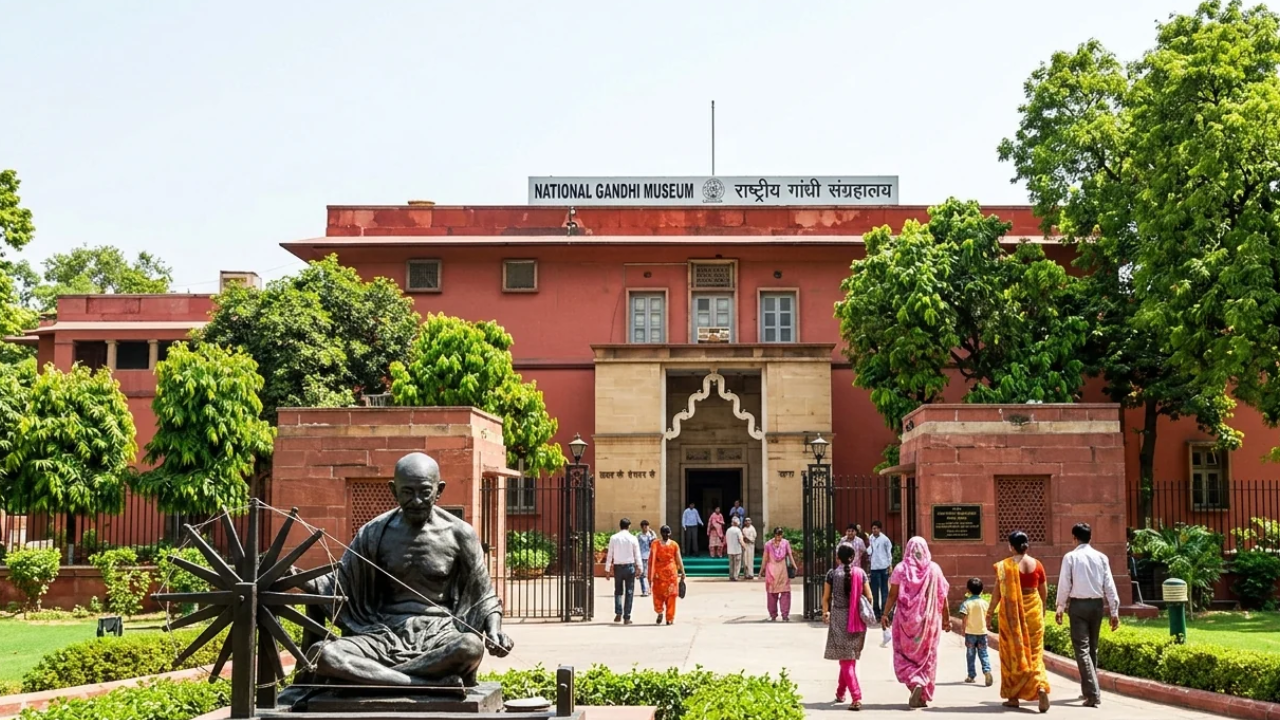
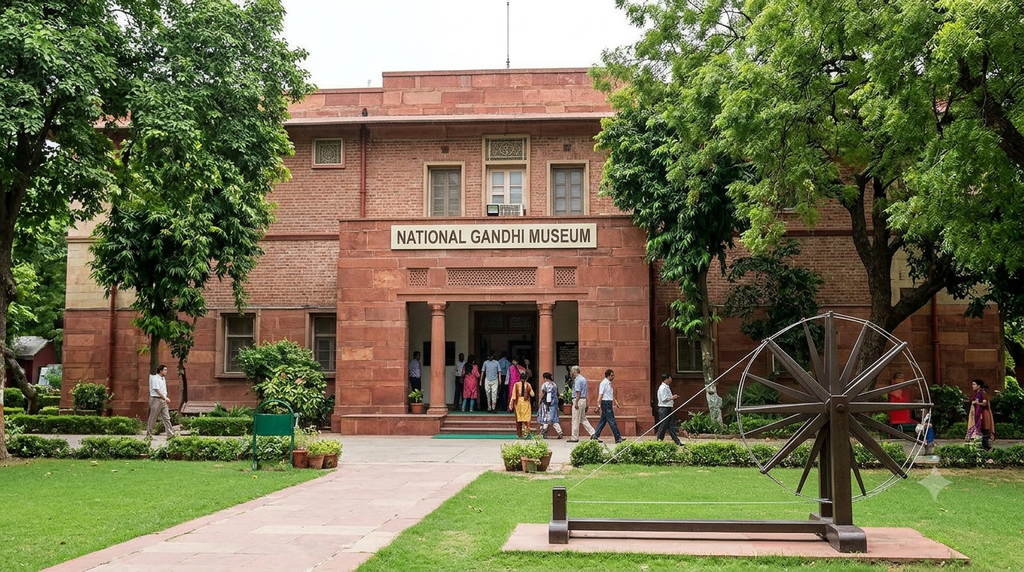
Located opposite Rajghat, Gandhi’s memorial in New Delhi, this museum preserves photographs, personal belongings, historical documents, books and audiovisual materials connected with Gandhi and India’s struggle for independence.
Unlike ordinary tourist attractions, the National Gandhi Museum offers an opportunity to understand the ideas of truth, non-violence, simplicity and peace that shaped Gandhi’s life.
Step into the past and discover how one man’s commitment to truth helped inspire a nation’s journey towards freedom.
Whether you are a history enthusiast, a student, a family traveller or a tourist exploring Delhi’s heritage, the National Gandhi Museum deserves a place on your sightseeing itinerary.
History of National Gandhi Museum Delhi
The National Gandhi Museum was established to preserve the memories, teachings, and personal possessions of Mahatma Gandhi following his assassination on 30 January 1948.
The museum initially operated from temporary accommodation before moving to a mansion at 5 Mansingh Road in New Delhi. It was later shifted to it’s present location near Rajghat.
The museum was formally inaugurated on 30 January 1961 by Dr. Rajendra Prasad, India’s first President.
Over the years, it has developed into an important centre for learning about Gandhi’s life, the Indian independence movement, and Gandhian philosophy. It’s collections help visitors understand not only Gandhi’s public role but also his personal habits, daily life, and commitment to simple living.
Today, the museum serves as a valuable destination for researchers, students, international visitors and anyone interested in India’s modern history.
Interesting Facts About National Gandhi Museum
Here are some interesting facts that make the National Gandhi Museum Delhi special:
• Established in 1961: The museum was formally inaugurated on 30 January 1961.
• Opposite Rajghat: It’s location makes it easy to combine a museum visit with a visit to Gandhi’s memorial.
• Personal belongings: The collection includes objects associated with Gandhi’s everyday life and his final days.
• Historical photographs: Visitors can explore photographs documenting different stages of Gandhi’s life and the freedom movement.
• A learning centre: The museum also houses a specialised library with books and documents on Gandhi and related subjects.
• A message of peace: It’s exhibits encourage visitors to reflect on non-violence, truth, equality and peaceful resistance.
Did you know? The museum preserves items connected with Gandhi’s final day, making some of its displays particularly moving for visitors who want to understand the human story behind India’s independence.
Major Attractions Inside National Gandhi Museum Delhi
- Gandhi’s Personal Belongings
One of the most memorable parts of the museum is its collection of objects associated with Mahatma Gandhi. These items offer a glimpse into the simple lifestyle he followed despite his enormous influence on Indian and world history.
Depending on the displays available during your visit, you may encounter objects such as his walking stick, sandals, utensils, writing materials and clothing associated with his life.
These everyday objects help visitors connect with Gandhi as a person rather than seeing him only as a historical figure. - Photographic Gallery
The photographic displays take visitors through important moments in Gandhi’s life, from his early years to his leadership in India’s freedom struggle.
Photographs also document meetings, public movements, interactions with other leaders and significant events in modern Indian history.
For students and history lovers, this gallery provides a useful visual introduction to the people and events that shaped the independence movement. - Martyrdom Gallery
The martyrdom related displays are among the most emotionally significant parts of the museum. They help visitors understand the circumstances surrounding Gandhi’s assassination and the profound impact of his death on the nation.
The gallery presents a solemn reminder of the importance of peace and the tragic consequences of political violence.
Visitors should take their time in this section and approach the exhibits with respect. - Charkha and Khadi Exhibits
Gandhi’s association with the spinning wheel or charkha, is an important part of his legacy.
The charkha symbolised self reliance, the dignity of labour and the promotion of Indian made goods during the freedom movement. Gandhi encouraged people to spin their own yarn and wear khadi as a way to support local production and resist economic dependence on colonial rule.
Displays related to spinning and khadi help explain why an apparently simple object became a powerful symbol of India’s independence movement. - Gandhi’s Writings and Historical Documents
The museum preserves books, journals, manuscripts, correspondence and other documentary material connected with Gandhi and his ideas.
These collections are particularly valuable for researchers, students and readers interested in his views on social reform, politics, education, religion and non-violence.
The documents also help explain how Gandhi communicated his ideas to the public and influenced movements beyond India. - Paintings and Artworks
Artistic displays provide another perspective on Gandhi’s life and influence. Paintings, illustrations, and other visual works interpret important events, ideas, and personalities associated with his journey.
These exhibits make the museum engaging for visitors who enjoy art alongside historical learning. - Library and Gandhi Literature Centre
The museum includes a specialised library and resources for people interested in Gandhi’s writings, the freedom struggle, peace studies, and Gandhian philosophy.
It is especially useful for researchers, teachers, students and readers who want to explore the subject in greater depth.
Library access and research facilities may follow separate rules from the general museum galleries, so visitors planning academic work should confirm the arrangements in advance.
Why Should You Visit National Gandhi Museum Delhi?
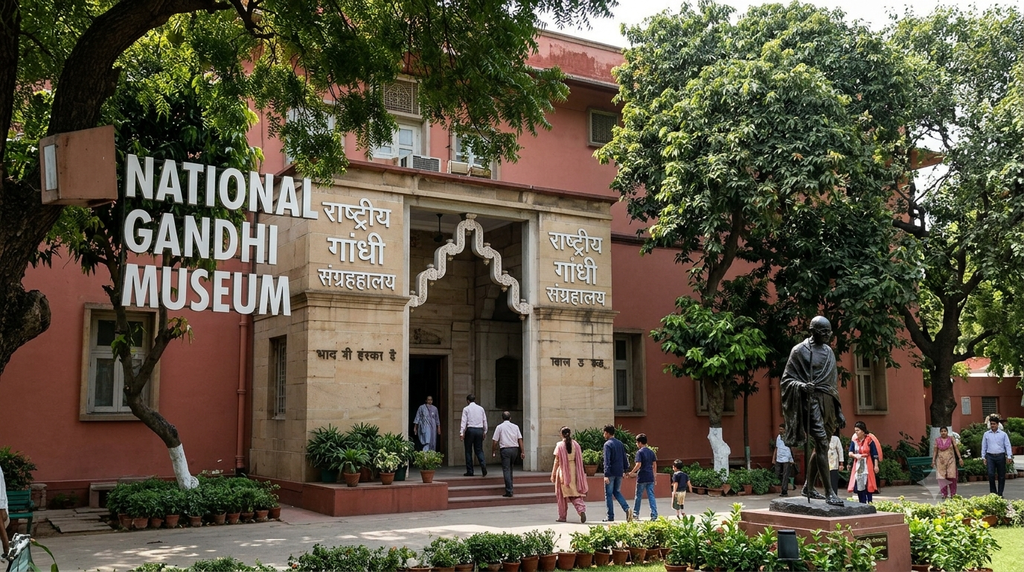
The National Gandhi Museum is more than a historical building. It offers a thoughtful experience for visitors interested in understanding the values behind India’s independence movement.
Here are some reasons to visit:
• Learn about Mahatma Gandhi’s life through original historical material.
• Understand the role of non-violence in the freedom struggle.
• Explore photographs, documents, personal belongings and educational displays.
• Introduce children and students to an important chapter of Indian history.
• Combine the museum with nearby historical attractions.
• Spend time reflecting on peace, simplicity, self-reliance and social responsibility.
If you are creating a Delhi heritage itinerary, this museum offers a quieter and more educational experience than many crowded sightseeing destinations.
National Gandhi Museum Delhi Timings
Planning your visit in advance will help you make the most of your trip.
| Visitor information | Details |
|---|---|
| Opening days | Tuesday to Sunday |
| Weekly closing day | Monday |
| General opening hours | 10:00 AM to 5:00 PM |
| Location | Rajghat, New Delhi – 110002 |
| Entry fee | Free, according to published museum information |
| Recommended visit duration | Approximately 1–2 hours |
Important: Published sources have listed slightly different gallery timings over the years. Confirm the latest opening hours, holiday closures, and any special arrangements with the museum before travelling.
National Gandhi Museum Delhi Entry Fee
One of the advantages of visiting the National Gandhi Museum is that general entry to the museum galleries is free, according to published visitor information.
This makes it a useful option for budget conscious travellers, families, students and tourists exploring Delhi’s historical attractions.
Special events, research services or other facilities may have separate conditions. Check directly with the museum if you require access to a particular resource.
Where Is National Gandhi Museum Located?
The National Gandhi Museum is located at Rajghat in New Delhi, opposite Rajghat, the memorial dedicated to Mahatma Gandhi.
It’s central location makes it a convenient stop on a heritage tour of Old and central Delhi.
Address: National Gandhi Museum, Rajghat, New Delhi – 110002.
How to Reach National Gandhi Museum Delhi
By Metro: The Delhi Metro is a convenient way to travel towards the Rajghat area. ITO is one of the nearby metro stations commonly used by visitors. Check your route and onward transport before travelling.
By Bus: Delhi’s public bus network serves the wider Rajghat area. Choose a route based on your starting point.
By Taxi or Auto Rickshaw: App based cabs, taxis and auto rickshaws can take you to the museum entrance.
By Personal Vehicle: You can drive to Rajghat, but check local parking availability and traffic conditions before leaving.
For the easiest journey, use a current map application to confirm the entrance and transport options on your travel date.
Best Time to Visit National Gandhi Museum Delhi
The most comfortable period for sightseeing in Delhi is generally from October to March, when outdoor temperatures are usually more pleasant.
Winter (October to March): A good season for combining the museum with outdoor sightseeing at Rajghat and nearby heritage attractions.
Summer (April to June): Delhi can become extremely hot. Visit earlier in the day and carry drinking water for your journey.
Monsoon (July to September): Rain may affect travel and outdoor plans, so check the weather forecast before setting out.
For a quieter experience, consider arriving near opening time on a regular visiting day. Always check for special closures before travelling.
Places to Visit Near National Gandhi Museum Delhi
You can combine the museum with other attractions in the Rajghat and Old Delhi area.
- Rajghat
Rajghat is the memorial marking the cremation site of Mahatma Gandhi. Its peaceful surroundings make it a natural companion to a visit to the museum. - Red Fort
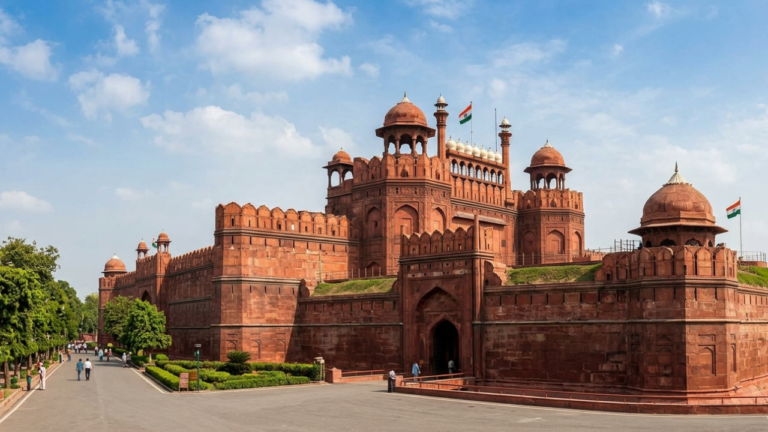
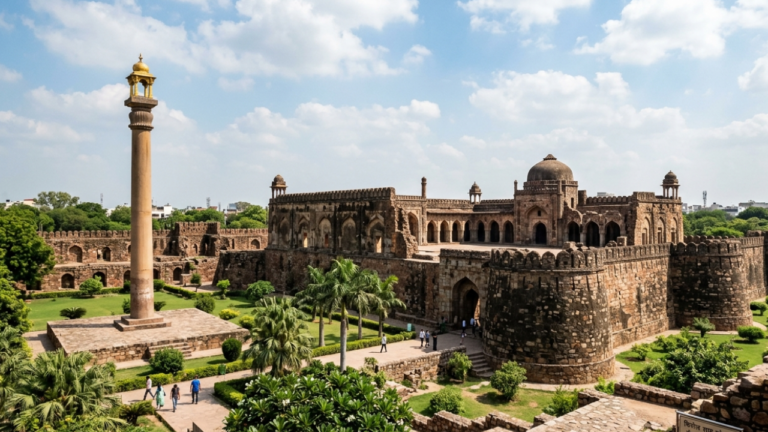
The Red Fort is one of Delhi’s best known historical landmarks and an important symbol of India’s past. Its Mughal architecture and historical significance make it a worthwhile addition to a heritage itinerary. - Jama Masjid
Jama Masjid is a major historic mosque in Old Delhi, known for it’s impressive architecture and connection with the city’s Mughal heritage. - Chandni Chowk
Chandni Chowk offers a lively introduction to Old Delhi through its traditional markets, historic lanes, street food and bustling shopping areas. - National Science Centre
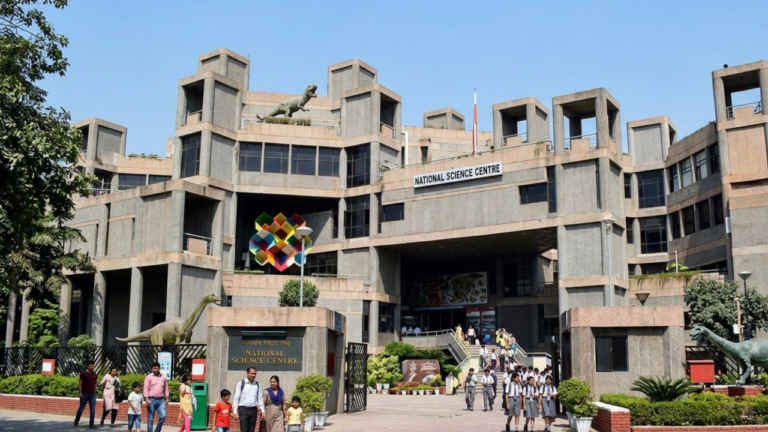
Visitors travelling with children or anyone interested in science may enjoy adding the National Science Centre to a wider Delhi sightseeing plan. Check its current timings and ticket arrangements separately.
Allow enough time between attractions, as traffic in Delhi can be heavy, especially during peak hours.
Travel Tips for Visiting National Gandhi Museum
Make your visit more comfortable with these practical tips:
1. Check opening hours: Confirm the latest schedule before departure.
2. Arrive early: An early visit gives you more time to explore the displays.
3. Allow 1–2 hours: This is a useful starting estimate, although researchers may need longer.
4. Respect museum rules: Follow instructions regarding photography, restricted areas and exhibit protection.
5. Travel light: Carry only the items you need for a comfortable visit.
6. Visit Rajghat too: The nearby memorial adds context to the museum experience.
7. Read the exhibit captions: They help explain the historical importance of objects and photographs.
8. Plan for Delhi weather: Carry water and protect yourself from the sun when travelling outdoors.
Is National Gandhi Museum Delhi Worth Visiting?
Yes, the National Gandhi Museum is worth visiting if you enjoy Indian history, cultural heritage and educational travel.
Its value lies not in grand architecture or entertainment but in the stories preserved within it’s galleries. Personal belongings, photographs, historical documents and exhibits about Gandhi’s philosophy offer a deeper understanding of the man and the movement he helped lead.
For students, families, domestic tourists and international visitors, the museum can be a meaningful addition to a Delhi itinerary.
If your travel plans include Rajghat, consider setting aside extra time for the museum instead of treating it as a quick stop.
Frequently Asked Questions About National Gandhi Museum Delhi
- Where is the National Gandhi Museum in Delhi?
The National Gandhi Museum is located at Rajghat, New Delhi – 110002, opposite the Rajghat memorial. - What are the timings of National Gandhi Museum Delhi?
Published visitor information lists general opening hours of 10:00 AM to 5:00 PM, Tuesday to Sunday. The museum is generally closed on Mondays. Confirm the latest schedule before visiting. - Is there an entry fee for National Gandhi Museum Delhi?
General entry to the museum galleries is listed as free in published museum information. Confirm any special event or facility charges in advance. - What can I see inside the National Gandhi Museum?
Visitors can explore historical photographs, personal belongings, documents, books, art and displays related to Gandhi’s life, philosophy, and the Indian independence movement. - How much time is needed to explore the museum?
Most general visitors can plan approximately one to two hours. Researchers and visitors interested in detailed study may need more time. - Which metro station is nearest to National Gandhi Museum?
ITO is one of the nearby metro stations used by visitors travelling to the Rajghat area. Check a current route planner for the most convenient connection from your location. - Can children visit the National Gandhi Museum?
Yes. The museum can be an educational destination for schoolchildren and families interested in Indian history and Gandhi’s teachings. Parents and teachers can explain the historical context of the exhibits during the visit. - Best time to visit the museum?
October to March is generally comfortable for exploring Delhi. Visit on a Tuesday to Sunday opening day and confirm the museum’s current timings before travelling.
Conclusion
The National Gandhi Museum Delhi is an important destination for anyone who wants to discover the personal story, ideas, and historical influence of Mahatma Gandhi.
From photographs and personal belongings to documents and exhibits on non-violence, the museum offers a meaningful look at the values that shaped India’s freedom movement.
It’s location opposite Rajghat makes it easy to include in a Delhi heritage tour, while free general entry makes it accessible to a wide range of visitors.
If you are searching for historical places to visit in Delhi, add the National Gandhi Museum to your itinerary and discover a quieter side of the capital’s rich past.
Sometimes, the most powerful travel experiences are not about the places we see, but the lessons we take home.