National Museum Delhi: History, Timings, Entry Fee, Collections & Visitor Guide

Introduction
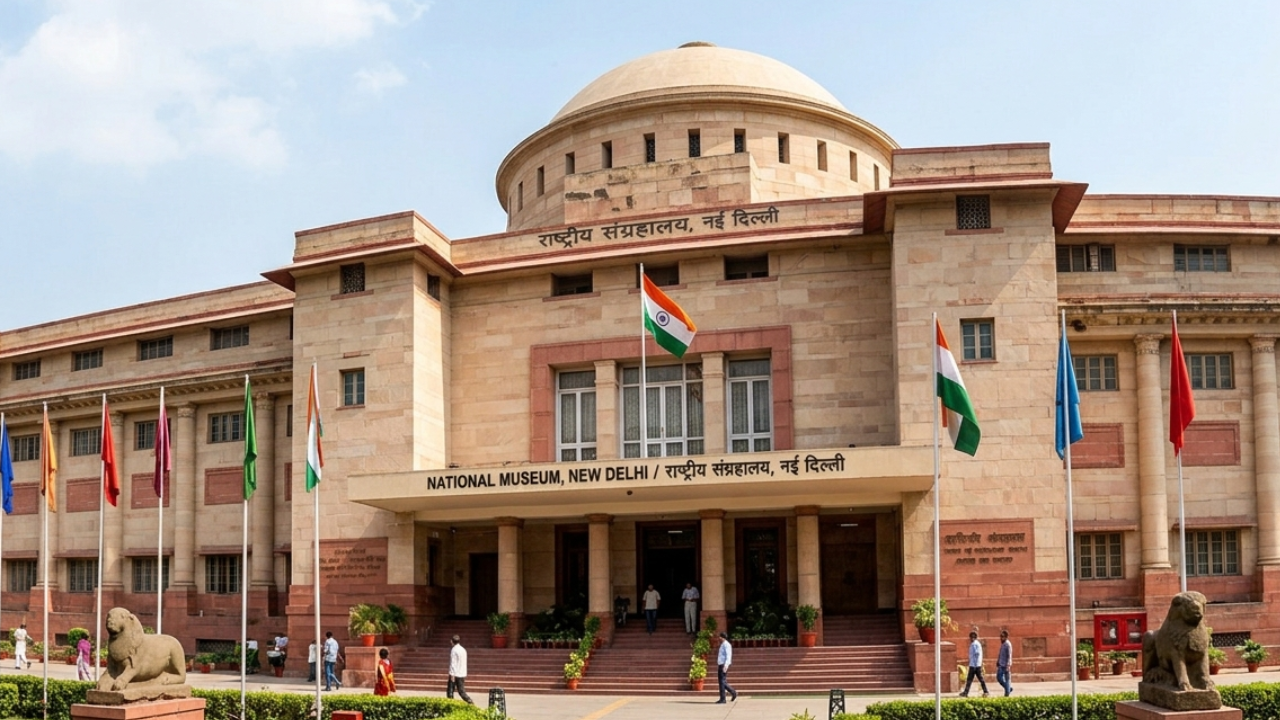
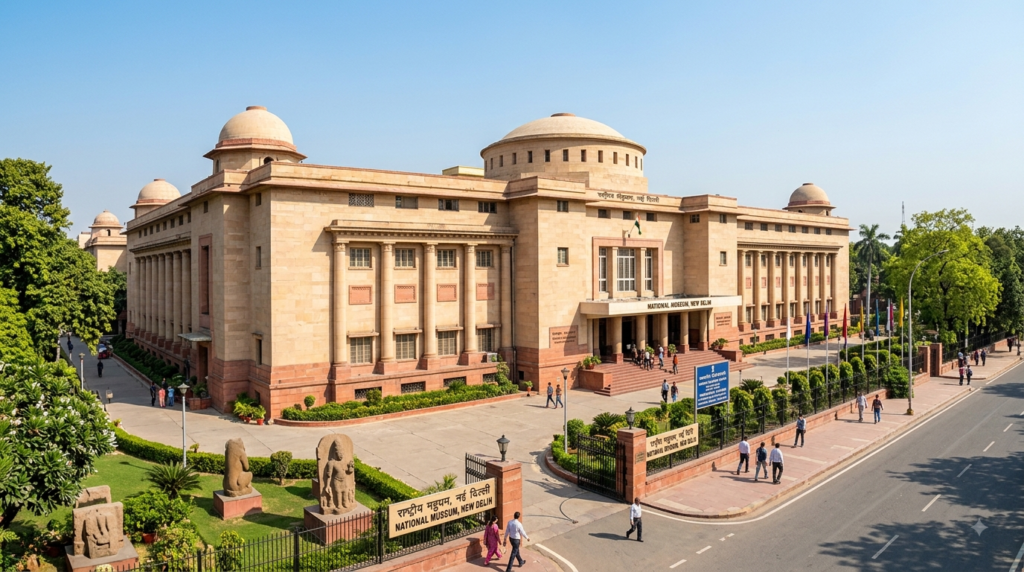
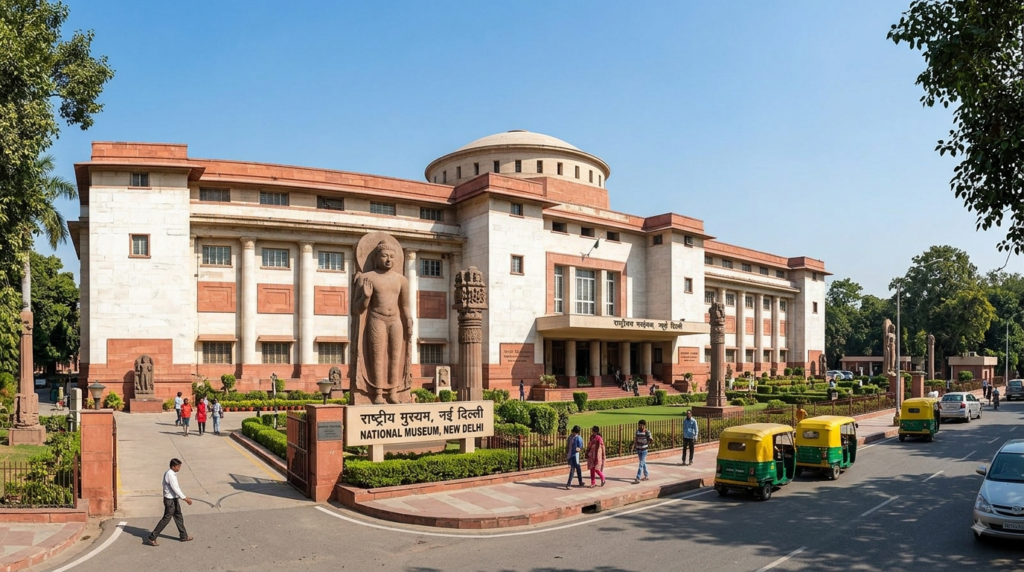
If you want to explore the rich history, art, archaeology and cultural heritage of India in one place, National Museum Delhi is one of the best places to visit in New Delhi. Located on Janpath, the museum houses an extraordinary collection of artefacts representing thousands of years of Indian civilisation.
From the Indus Valley Civilisation and ancient sculptures to coins, paintings, manuscripts, jewellery, decorative arts and Buddhist artefacts, the National Museum offers visitors an opportunity to travel through India’s fascinating past under one roof.
Whether you are a history lover, student, art enthusiast, photographer or tourist exploring Delhi, a visit to the National Museum can be a memorable experience.
National Museum Delhi Overview
The National Museum is one of India’s major museums and an important cultural institution under the Ministry of Culture, Government of India. It’s collection covers more than 5,000 years of Indian cultural heritage and includes approximately 2,00,000 objects of Indian and foreign origin.
National Museum Delhi – Quick Facts
- Location: Janpath, New Delhi – 110011
- Established August 15, 1949
- Opened to the public: December 18, 1960
- Famous for: Indian handicrafts, cultural heritage, sculpture, painting, calligraphy, economy and culture
Artefacts - Nearest metro stations: Central Secretariat and Udyog Bhawan
- Open: Tuesday to Sunday
- Closed: Mondays and public holidays
- Visiting hours: 10:00–18:00
History of National Museum Delhi
The history of the National Museum dates back to the 1940s. The blueprint for establishing a National Museum in Delhi was prepared by the Maurice Gwyer Committee in May 1946.
An important exhibition of Indian art was organised at Burlington House in London during 1947–48. After the exhibition, the idea emerged to display the collection in Delhi before returning the objects to their respective museums.
The exhibition was subsequently organised at Rashtrapati Bhavan in New Delhi in 1949. Its success played an important role in the creation of the National Museum.
On 15 August 1949, the National Museum was inaugurated at Rashtrapati Bhavan by Shri R. C. Rajagopalachari, the Governor General of India. The foundation stone of the present museum building was laid by Prime Minister Jawaharlal Nehru on 12 May 1955.
The first phase of the present building was inaugurated on 18 December 1960, while the second phase was completed in 1989.
Today, the museum is administered by the Ministry of Culture, Government of India.
What Can You See at National Museum Delhi?
The biggest attraction of the National Museum is its enormous variety of collections. Visitors can discover objects belonging to different periods, regions and artistic traditions of India.
The museum’s collections include:
1. Harappan and Prehistoric Artefacts
The museum has an important collection related to the Indus Valley or Harappan Civilisation.
Visitors can learn about the lifestyle, craftsmanship and technological achievements of one of the world’s great ancient civilisations through objects such as pottery, seals, ornaments, tools, terracotta objects and other archaeological discoveries.
2. Ancient Indian Sculptures
The museum contains sculptures representing different periods of Indian history. The collections include examples associated with traditions such as Maurya, Shunga, Satavahana, Kushan, Gandhara, Mathura and Gupta art.
The sculpture galleries provide an excellent opportunity to understand how Indian artistic traditions developed over centuries.
3. Buddhist Art
Buddhist art is another important attraction of the National Museum.
The collection includes sculptures and objects associated with the development of Buddhism and Buddhist artistic traditions across India and Asia. The museum’s Buddhist collection provides an insight into the religious, philosophical and artistic history of the tradition.
4. Indian Paintings
Art lovers should spend time exploring the museum’s painting collection.
According to the museum, it has nearly 17,000 paintings, representing important styles of Indian miniature painting.
These paintings offer a fascinating look at India’s royal courts, religious traditions, literature, nature and everyday life.
5. Manuscripts
The manuscript collection is another important part of the museum.
Ancient and historic manuscripts provide valuable information about India’s languages, literature, religion, science and intellectual traditions.
6. Coins and Epigraphy
The National Museum also has an extensive Numismatics and Epigraphy collection.
Coins can reveal information about rulers, kingdoms, trade, economy and political history. For history enthusiasts, this section can be particularly interesting.
7. Jewellery
The museum’s jewellery collection showcases the craftsmanship and artistic traditions associated with Indian ornaments.
Visitors can see examples of jewellery reflecting different periods and styles.
8. Decorative Arts
Decorative arts form another major part of the museum’s collection. These objects demonstrate India’s long tradition of craftsmanship and design.
9. Arms and Armour
The museum also has collections related to traditional Indian arms and armour, offering visitors a glimpse into military history, craftsmanship and royal traditions.
10. Central Asian Antiquities
The National Museum also preserves an important collection connected with Central Asia, highlighting historical cultural connections between India and other parts of Asia.
National Museum Delhi Timings
The official National Museum website currently lists visitor timings as:
Tuesday to Sunday: 10:00 to 18:00
The museum is closed on Mondays and national holidays.
Because timings, exhibitions and gallery availability can change. It is a good idea to check the official museum website before planning your visit.
National Museum Delhi Entry Fee
The museum’s official visitor information currently lists:
• Indian adults: ₹20
• Foreign nationals: ₹650 including audio guide
• Students up to Class 12: Free with valid identity card
The official website also provides an online ticket booking facility for visitors.
Tip: Always verify the latest ticket prices before visiting because museum fees and visitor policies may be updated.
How to Reach National Museum Delhi
The National Museum is centrally located on Janpath in New Delhi, making it relatively easy to reach using public transportation.
By Metro
The nearest metro stations are:
- Central Secretariat
- Udyog Bhawan
Both stations provide convenient access to the museum.
By Bus
Several Delhi bus routes serve stops near the museum, including the National Museum and Nirman Bhawan bus stops.
By Car or Taxi
You can also reach the museum by taxi, cab or private vehicle. Visitors should note that parking availability may be limited; the museum’s FAQ states that visitor parking is available outside the museum premises.
Best Time to Visit National Museum Delhi
The National Museum can be visited throughout the year, but October to March is generally a comfortable period for exploring Delhi because the weather is more pleasant.
For a quieter experience, visiting on a weekday, especially in the morning, can be a good choice.
Allow at least 2–3 hours if you want to explore the major collections without rushing.
Photography Rules at National Museum
Photography is permitted in the museum without flash, according to the official FAQ. Videography and filming are not permitted without prior permission from museum authorities.
Visitors should follow the instructions displayed inside individual galleries because special exhibitions may have additional restrictions.
Facilities at National Museum Delhi
The museum offers a range of amenities and services to visitors.
These include:
• Free cloakroom and luggage storage
• Wheelchair-accessible entrances and elevators
• Wheelchairs available at the reception
• Museum shop
• Restaurant and café
• Audio guides
• Guided tours
• Educational programs
Audio Tour at National Museum
If you wish to learn about the exhibits rather than simply viewing them, using the audio tour can make your visit much more informative and rewarding.
This museum audio tour lasts approximately 75 minutes, covers a selection of key artworks, and provides an introduction to the collection. The service is available in Hindi, English, German, French and Japanese.
Guided Tours
The National Museum also offers a volunteer guide programme called Path Pradarshak.
The free guided tour lasts around 90 minutes and introduces visitors to highlights of the museum, including approximately 30 objects and galleries. The museum lists different tour timings from Tuesday to Sunday, subject to availability.
For visitors who want a deeper understanding of Indian history and art, joining a guided tour can be a great option.
National Museum for Students and Children
The National Museum is not only a tourist attraction; it is also an important educational destination.
The museum runs educational programmes for school students. Its Yuva Saathi Programme provides free guided tours for school groups with advance booking.
Children can learn about archaeology, ancient civilisations, art, religion, coins and Indian culture in a way that complements what they study in school.
Accessibility at National Museum Delhi
The museum has taken steps to make its collections more accessible.
One notable initiative is Anubhav, a tactile gallery created especially to improve access for visitors, particularly those with disabilities.
The gallery contains 22 tactile replicas representing around 5,000 years of Indian art. It includes audio guidance and Braille labels. Advance booking is required for this experience.
Places to Visit Near National Museum Delhi
Because the museum is located in central Delhi, you can combine your visit with several famous attractions.
Some nearby places include:
- India Gate
- Kartavya Path
- Rashtrapati Bhavan
- Birla Mandir
- Jantar Mantar
- Connaught Place
- Gurudwara Bangla Sahib
A half day sightseeing plan can easily include the National Museum along with some of these attractions.
Tips for Visiting National Museum Delhi
Tips to improve your trip:
1. Check the official website before visiting for current timings, ticket prices and exhibitions.
2. Wear comfortable footwear because the museum has extensive collections to explore.
3. Keep at least 2–3 hours for a meaningful visit.
4. Do not use flash photography.
5. Avoid food and drinks inside galleries.
6. Consider an audio or guided tour if you want more historical information.
7. Students should carry a valid identity card if they want to claim student entry benefits.
8. Check whether specific galleries are temporarily closed because of renovation or exhibition work.
Why Visit National Museum Delhi?
The National Museum is much more than a collection of old objects. It is a place where visitors can understand the story of India through art and archaeology.
Walking through its galleries allows you to see how Indian civilisation developed from prehistoric settlements and ancient kingdoms to later artistic and cultural traditions.
For tourists, the museum offers a different experience from Delhi’s forts, temples and monuments. Instead of seeing history from the outside, you can explore the objects, artwork and archaeological evidence that help tell that history.
For students, it is an educational resource. For art lovers, it offers remarkable collections. For travellers, it provides a deeper understanding of India’s cultural identity.
Frequently Asked Questions About National Museum Delhi
Where is National Museum Delhi located?
The National Museum is located at Janpath, New Delhi-110011.
What are National Museum Delhi timings?
The museum is currently open Tuesday to Sunday from 10:00 AM to 6:00 PM and is closed on Mondays and national holidays.
Is photography allowed inside National Museum Delhi?
Yes. Photography is permitted without flash, while videography requires permission.
How much time is required to visit the National Museum?
Plan for around 2–3 hours to explore the major collections comfortably. Visitors interested in detailed exploration may want to spend longer.
Which metro station is nearest to National Museum Delhi?
Central Secretariat and Udyog Bhawan are the nearest metro stations listed by the museum.
Is National Museum Delhi worth visiting?
Yes. If you are interested in Indian history, archaeology, art and culture, the National Museum is one of the most worthwhile museums to visit in Delhi.
Conclusion
The National Museum Delhi is one of the best places to discover India’s extraordinary cultural and historical heritage. With collections spanning more than five thousand years, it brings together archaeological discoveries, sculptures, paintings, manuscripts, coins, jewellery and decorative arts in one impressive institution.
Whether you are visiting Delhi for the first time or are a resident looking for an educational and cultural experience, the National Museum deserves a place on your Delhi sightseeing itinerary.
For the best experience, plan your visit in advance, check the latest official timings and ticket information, and give yourself enough time to explore the galleries. A visit to the National Museum is not simply a sightseeing trip—it is a journey through the history and cultural heritage of India.

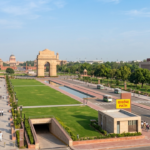
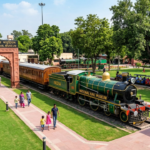
[…] Gate• Rashtrapati Bhavan• Lodhi Garden• National War Memorial• Dilli Haat• Nehru Park• National Museum• Connaught PlaceA full day Delhi sightseeing plan can easily combine the National Rail Museum […]