Kartavya Path Delhi: History, Timings, Location, Things to Do & Travel Guide

Introduction
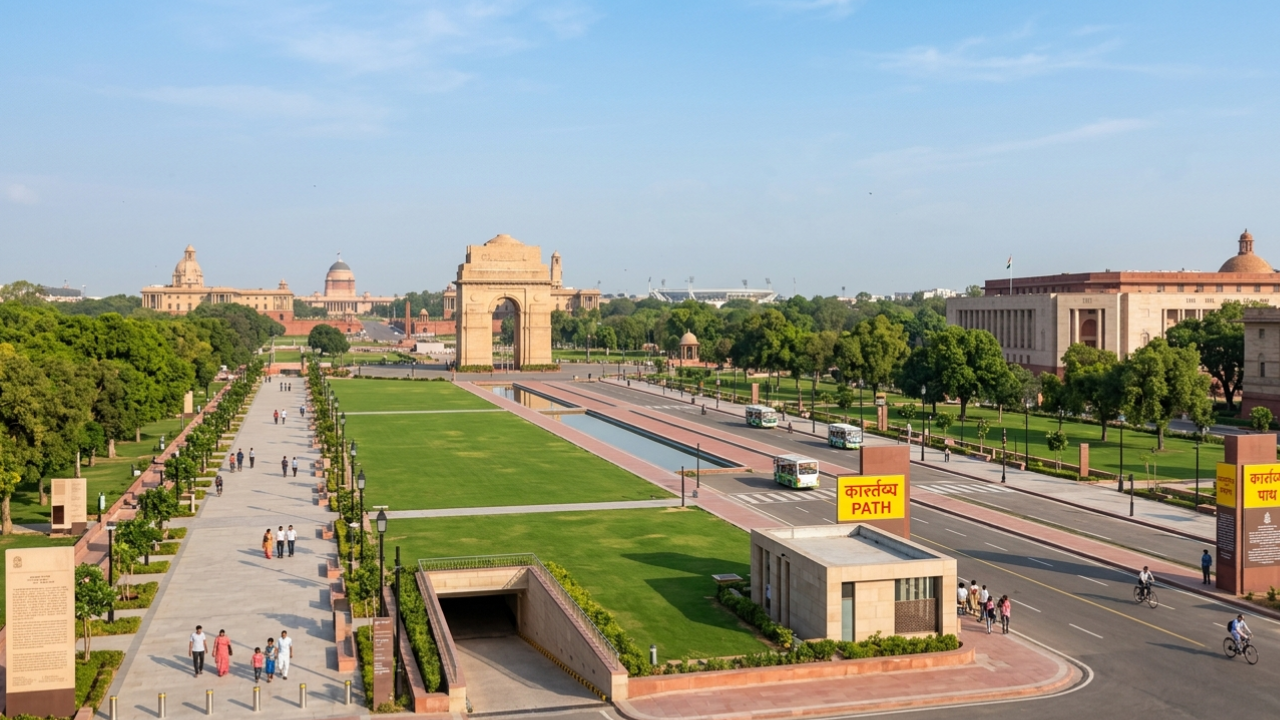
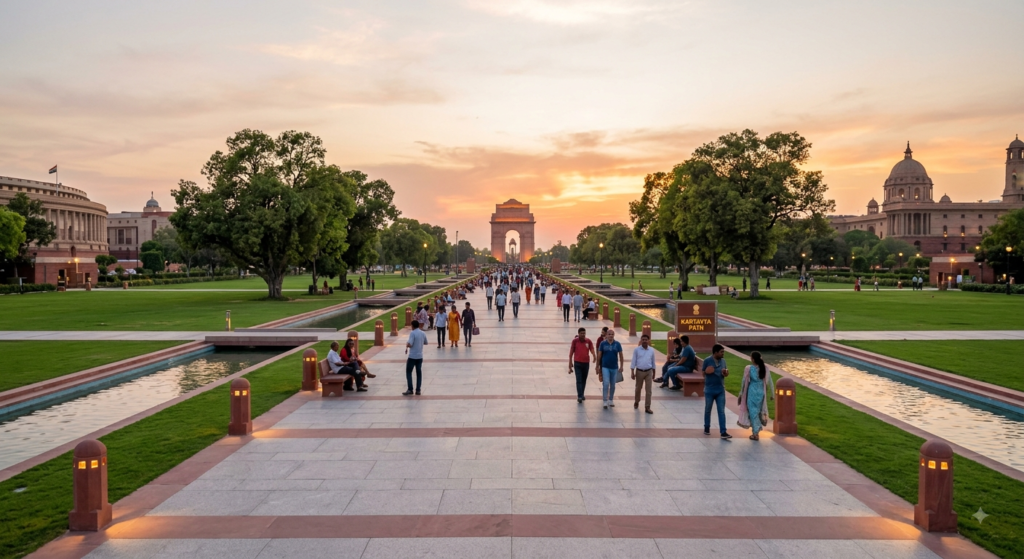
Kartavya Path Delhi is one of the most iconic landmarks in the heart of New Delhi. Stretching from Rashtrapati Bhavan to India Gate, this grand ceremonial boulevard is known for its historic importance, beautiful green lawns, landscaped gardens, water channels, impressive architecture and the famous Republic Day Parade.
Formerly known as Rajpath, the avenue was officially renamed Kartavya Path in 2022. Today, it is not only an important ceremonial road but also a popular public space where visitors can enjoy walking, photography, sightseeing and the atmosphere of central Delhi.
If you are planning to visit Delhi and looking for important places to explore, Kartavya Path should be on your itinerary.
Quick Information About Kartavya Path Delhi
| Information | Details |
|---|---|
| Location | New Delhi, Delhi |
| Former Name | Rajpath |
| Length | Approximately 3 km |
| Connects | Rashtrapati Bhavan and India Gate |
| Nearest Metro Station | Central Secretariat |
| Famous For | Republic Day Parade, India Gate, landscaped lawns |
| Best Time to Visit | Evening and winter months |
| Entry | Open public space |
| Opening Hours | Open 24 hours according to Delhi Tourism |
Delhi Tourism describes Kartavya Path as a ceremonial avenue running from Rashtrapati Bhavan through Vijay Chowk toward India Gate, with green lawns and canals on both sides.
What Is Kartavya Path?
Kartavya Path is a major ceremonial boulevard in New Delhi and an important part of the city’s Central Vista. The approximately 3 kilometre avenue connects the area around Raisina Hill and Rashtrapati Bhavan with India Gate.
The boulevard was originally planned as a grand approach to the Viceroy’s House during the development of New Delhi. After Independence, King’s Way was renamed Rajpath, while Queen’s Way became Janpath. In September 2022, Rajpath was renamed Kartavya Path.
The name “Kartavya Path” reflects the idea of duty and public service and represents the transformation of the avenue into a public oriented space.
History of Kartavya Path
The history of Kartavya Path is closely connected with the creation of New Delhi as India’s imperial and later national capital.
The British government decided to shift the capital from Calcutta to Delhi in 1911. Architects Edwin Lutyens and Herbert Baker were involved in planning the new administrative centre of Delhi. The Central Vista was developed around an important east west axis with Rashtrapati Bhavan at one end and the India Gate area at the other.
The original avenue was designed with formal landscaping, lawns, gardens, water channels, and carefully planned sightlines. It was intended to create a grand ceremonial approach to the Viceroy’s House.
Following India’s Independence, the area acquired a new national identity. Rajpath became an important venue for national celebrations and eventually became synonymous with the Republic Day Parade.
According to the Central Vista website, Rajpath was selected as the venue for the Republic Day Parade from 1955 onward.
Why Was Rajpath Renamed Kartavya Path?
Rajpath was renamed Kartavya Path in 2022 as part of a broader effort to give the historic Central Vista a more contemporary and public oriented identity.
The official explanation described the change as symbolising a transition from an avenue associated with colonial era power to a space representing public ownership and empowerment.
The redevelopment also focused on improving pedestrian areas, lawns, lighting, parking, amenities, canals, walkways and public facilities.
Kartavya Path Redevelopment
The redevelopment transformed the avenue into a more accessible public space.
Several improvements were introduced, including:
- Improved pedestrian crossings
- Landscaped green spaces
- Refurbished canals
- Stepped gardens
- Better lighting
- Improve parking area.
- Public toilets
- Drinking-water facilities
- Vending areas
- Signage
- Pedestrian underpasses
- CCTV and security infrastructure
- Rain water harvesting
The Central Vista project describes the redeveloped avenue as a major public space and national icon.
Republic Day Parade at Kartavya Path
One of the biggest reasons Kartavya Path is famous throughout India is the Republic Day Parade.
Every year on 26 January, the avenue becomes the centre of India’s Republic Day celebrations. The parade showcases India’s military strength, cultural diversity, tableaux from different states and ministries, marching contingents, and other ceremonial displays.
The route and surrounding area attract enormous public interest, making Kartavya Path one of the most recognisable national landmarks in Delhi.
For tourists visiting Delhi, seeing the avenue outside the Republic Day period offers a very different experience. The wide boulevard, lawns, monuments and surrounding government buildings make it an excellent place for sightseeing and photography.
Things to Do at Kartavya Path
1. Enjoy a Leisurely Walk
One of the simplest ways to experience Kartavya Path is by walking along its landscaped areas.
The wide open spaces and greenery make the area suitable for a relaxed evening walk, especially when Delhi’s weather is pleasant.
2. Visit India Gate
India Gate is located at the eastern end of Kartavya Path and is one of Delhi’s most famous landmarks.
Visitors can combine a trip to Kartavya Path with India Gate, making it possible to explore two major attractions in a single outing.
3. See Rashtrapati Bhavan
At the opposite end of Kartavya Path stands Rashtrapati Bhavan, the official residence of the President of India.
The magnificent building is one of the most important architectural landmarks in New Delhi. Visitors can also explore selected Rashtrapati Bhavan circuits through advance online booking when available.
4. Explore Vijay Chowk
Vijay Chowk lies along the central section of the avenue and provides an excellent view toward Raisina Hill and the government buildings.
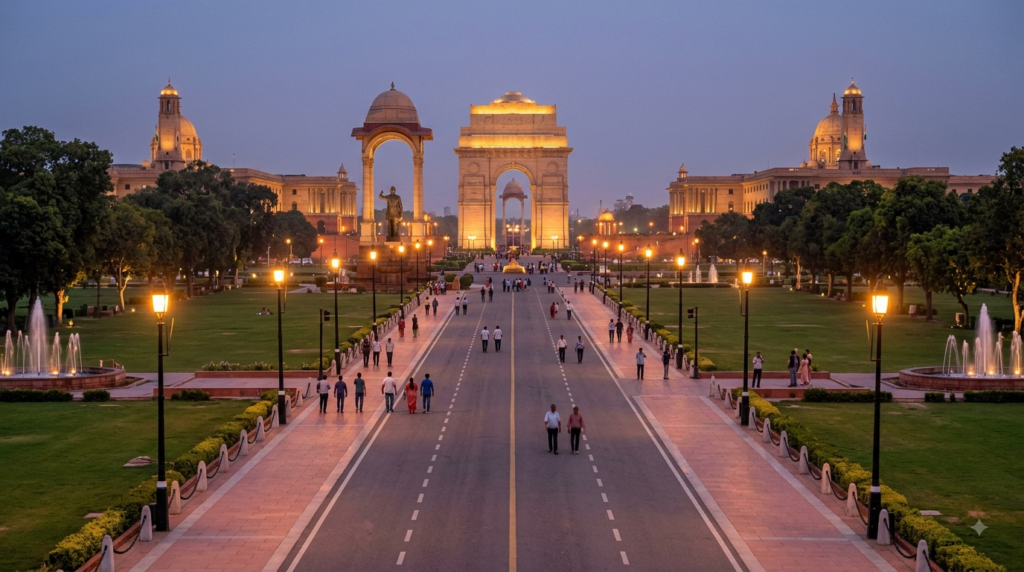
The area is particularly impressive when viewed in the evening.
5. Photography
Kartavya Path is an excellent destination for photography.
You can photograph:
- India Gate
- Rashtrapati Bhavan
- Vijay Chowk
- Landscaped gardens
- Water channels
- Long ceremonial avenues
- Government architecture
- Evening lighting
6. Enjoy the Evening Atmosphere
Evening is one of the most enjoyable times to visit Kartavya Path.
As the temperature becomes more comfortable, visitors can enjoy the illuminated surroundings, open lawns, architecture, and lively atmosphere of central Delhi.
Best Time to Visit Kartavya Path
The best time to visit Kartavya Path is during the winter months, particularly from October to March, when Delhi’s weather is generally more comfortable for outdoor sightseeing.
For a pleasant experience, consider visiting in the late afternoon or evening.
During summer, daytime temperatures can become extremely high, so visitors should avoid spending long periods outdoors during the afternoon.
Kartavya Path Timings
Kartavya Path is an open public space and Delhi Tourism currently lists it as open 24 hours, all days.
However, access to particular surrounding attractions, government buildings, events, security zones or ceremonial areas can have separate timings and restrictions.
If you plan to visit Rashtrapati Bhavan, for example, check its official visitor information before travelling because its visiting schedule is different from Kartavya Path itself.
How to Reach Kartavya Path
By Metro
The Central Secretariat Metro Station is the nearest major metro station listed by Delhi Tourism.
Central Secretariat is served by the Yellow and Violet Lines, making Kartavya Path relatively easy to reach from different parts of Delhi.
By Bus
Delhi’s extensive bus network connects central Delhi with many parts of the city. Visitors can use nearby bus stops and walk toward Kartavya Path.
By Car or Taxi
Kartavya Path is located in central New Delhi and can be reached by taxi, cab or private vehicle. However, traffic restrictions and parking arrangements may change during major national events and celebrations.
Places to Visit Near Kartavya Path
One advantage of visiting Kartavya Path is its location close to several major Delhi attractions.
India Gate
India Gate is the most obvious attraction to combine with Kartavya Path. The war memorial is located at the eastern end of the avenue.
Rashtrapati Bhavan
Rashtrapati Bhavan stands at the western end and is one of India’s most important architectural and political landmarks.
Parliament House
The Parliament complex is also located in the Central Vista area. Access to Parliament is subject to security and visitor rules.
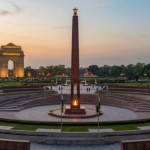
National War Memorial
The National War Memorial near India Gate commemorates Indian armed forces personnel who made the supreme sacrifice for the nation.
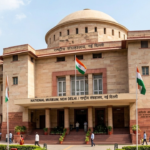
National Museum
The National Museum is another major cultural attraction in central Delhi and can be included in a broader Central Delhi sightseeing itinerary.
Kartavya Path for Tourists
Kartavya Path is ideal for tourists because it combines history, architecture, politics, national heritage, greenery and public spaces in one location.
Unlike many monuments that require a ticket and a fixed visiting schedule, the avenue itself is a large open public space. This makes it particularly convenient for travellers who want to experience Delhi’s Central Vista without spending an entire day at one attraction.
It is also a good destination for families, photographers, history lovers, architecture enthusiasts and first time visitors to Delhi.
Why Kartavya Path Is Important
Kartavya Path is more than just a road.
It represents different chapters of Delhi’s history. It was conceived during the development of New Delhi, became Rajpath after Independence, served as the setting for decades of Republic Day celebrations and was later redeveloped as a public oriented avenue.
Today, it stands as one of the most recognisable public spaces in India’s capital.
Its combination of national monuments, ceremonial importance, landscaped surroundings and historic architecture makes it an essential stop for anyone exploring New Delhi.
Frequently Asked Questions About Kartavya Path Delhi
What is Kartavya Path in Delhi?
Kartavya Path is a major ceremonial and public boulevard in New Delhi connecting the Rashtrapati Bhavan area with India Gate.
Is Kartavya Path the same as Rajpath?
Yes. Kartavya Path is the new official name of the avenue formerly known as Rajpath.
Where is Kartavya Path located?
Kartavya Path is located in the Central Vista area of New Delhi, between Rashtrapati Bhavan and India Gate.
What is Kartavya Path famous for?
It is famous for its monumental avenue, landscaped public spaces, connection between Rashtrapati Bhavan and India Gate, and its role in Republic Day celebrations.
Is Kartavya Path good for photography?
Yes. The avenue, landscaped areas, India Gate views, architecture, fountains, and evening lighting make it a popular photography location.
What is the best time to visit Kartavya Path?
Early morning and evening are generally comfortable and attractive times to visit. Winter is especially pleasant for outdoor sightseeing.
Can I visit Kartavya Path at night?
The public area can be enjoyed in the evening, and the illuminated surroundings make nighttime popular. However, access can change because of security restrictions or special events.
How far is India Gate from Kartavya Path?
India Gate is directly connected to the Kartavya Path ceremonial axis and can easily be included in the same visit.
Is Kartavya Path suitable for families?
Yes. Its landscaped public spaces and nearby attractions make it a popular family-friendly sightseeing destination.
Is Kartavya Path free to visit?
The public outdoor areas are generally accessible without an entry ticket, although specific attractions, events, or facilities may have their own rules or charges.
Conclusion
Kartavya Path Delhi is one of the best places to experience the history and identity of India’s capital. From Rashtrapati Bhavan and Vijay Chowk to India Gate, the avenue connects some of New Delhi’s most important landmarks in a single spectacular stretch.
Whether you are interested in Indian history, architecture, photography, national celebrations or simply want to enjoy an evening in one of Delhi’s most beautiful public spaces, Kartavya Path is worth visiting.
For anyone creating a Delhi sightseeing itinerary, Kartavya Path deserves a prominent place on the list. Its historic significance, modern redevelopment, open green spaces and proximity to major attractions make it one of the must-visit places in New Delhi.

[…] Kartavya Path […]
[…] to the Delhi Tourism website, Gandhi Smriti is generally open from 10:00 AM to 5:00 PM and remains closed on […]