Tomb of Balban Delhi: History, Facts & Visitor Guide
Introduction
Have you ever wondered where one of India’s earliest true arches and domes can be found? Hidden among the historic ruins of Mehrauli Archaeological Park in Delhi lies the Tomb of Balban, a remarkable monument that tells the story of the Delhi Sultanate and an important chapter in Indian architecture.
The Tomb of Balban is not as famous as the Red Fort or Qutub Minar, but it holds a special place in India’s architectural history. It’s weathered walls, ruined chambers and peaceful surroundings offer visitors an opportunity to discover a lesser known side of Delhi.
If you love history, ancient architecture, photography, or exploring hidden historical places, the Tomb of Balban deserves a place on your Delhi sightseeing list.
In this guide, you will discover the history of the Tomb of Balban, it’s architectural features, interesting facts, location, visiting tips and nearby attractions.
Where Is the Tomb of Balban Located?
The Tomb of Balban is located inside Mehrauli Archaeological Park in South Delhi, India. The monument stands in an area filled with historical remains from different periods, making it an interesting destination for history enthusiasts and heritage explorers.
Mehrauli is one of Delhi’s oldest historic areas. It contains monuments associated with the Delhi Sultanate, medieval rulers, and later periods of Indian history.
The Tomb of Balban is particularly important because it connects visitors with the early development of Indo Islamic architecture in northern India.
Why visit? Unlike some of Delhi’s crowded tourist attractions, this monument offers a quieter experience where you can explore ancient ruins and appreciate the history behind their surviving structures.
History of the Tomb of Balban
The Tomb of Balban is associated with Ghiyas-ud-din Balban, a powerful ruler of the Delhi Sultanate who ruled from 1266 to 1287 CE.
Balban belonged to the Mamluk, or Slave, dynasty. He became one of the most influential sultans of medieval Delhi and worked to strengthen the authority of the monarchy.
Before becoming sultan, Balban rose through the ranks of the Delhi Sultanate’s political and military system. As ruler, he focused on maintaining order, strengthening administration and protecting his kingdom against threats.
His reign was an important period in the development of the Delhi Sultanate. The political stability he sought helped shape the kingdom before the rise of the Khalji dynasty.
The tomb is generally associated with the late thirteenth century. Although much of the original structure has disappeared, the surviving remains continue to provide clues about the architecture and burial traditions of the period.
Who Was Ghiyas-ud-din Balban?
Ghiyas-ud-din Balban was one of the most powerful rulers of the early Delhi Sultanate. He believed that the sultan’s authority needed to be respected and worked to establish a strong central government.
His reign is remembered for strict administration, military preparedness and efforts to control rebellious nobles and regional threats.
Balban’s historical importance extends beyond politics. The monument associated with his burial is also significant because of its place in the evolution of Indo-Islamic architecture.
Architectural Importance of the Tomb of Balban
The Tomb of Balban is especially interesting for visitors who want to understand how medieval Indian architecture developed.
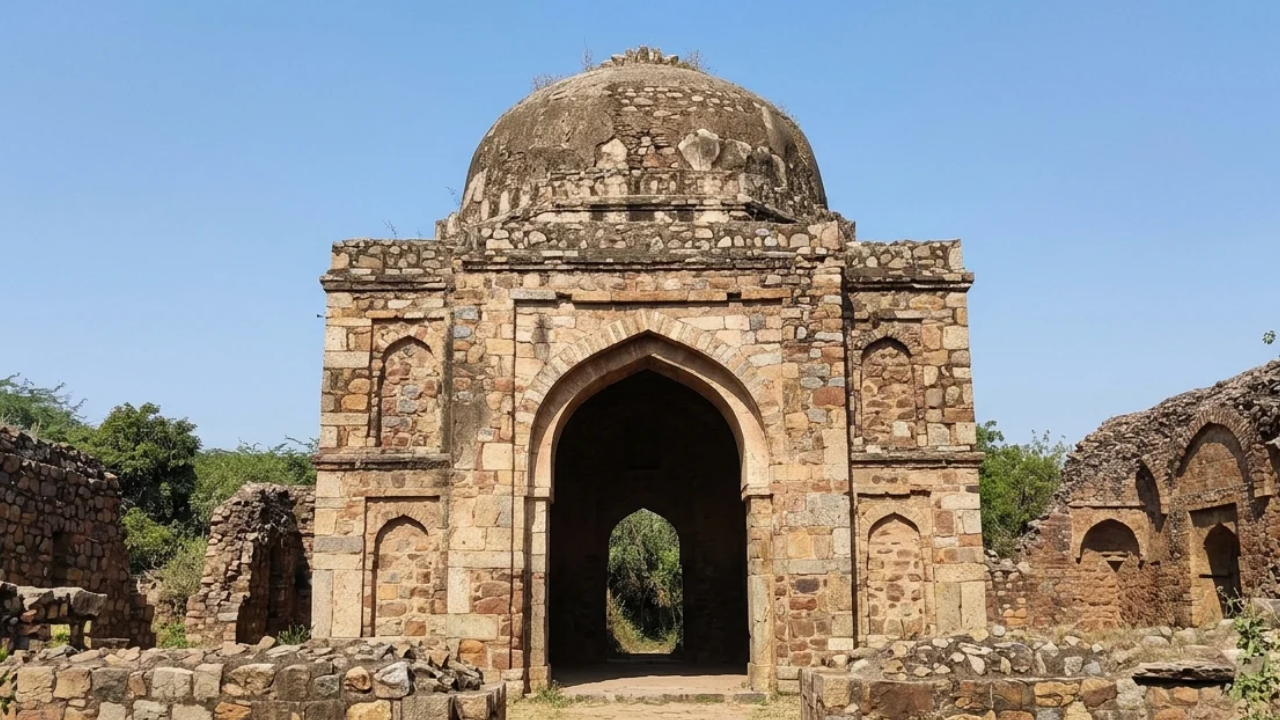
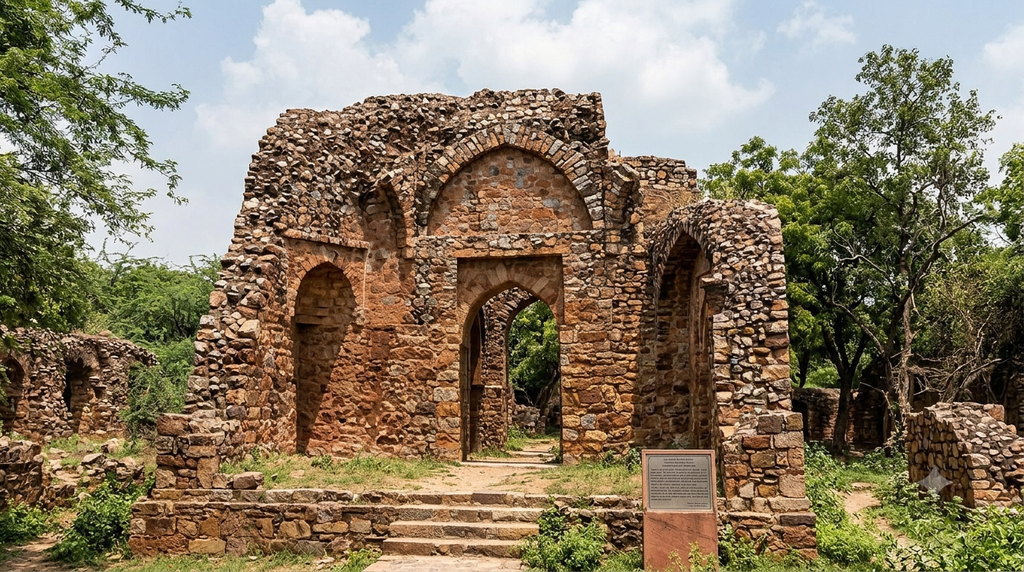
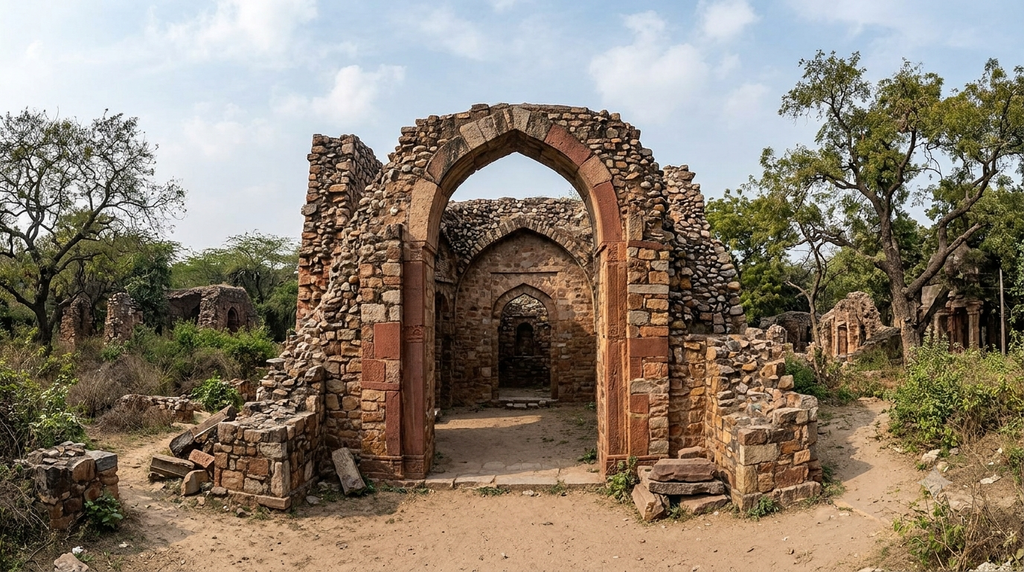
Today, the monument survives largely as ruins. Its walls, openings and structural remains allow visitors to imagine the appearance of the original building.
- Early Use of the True Arch
One of the most notable features associated with the Tomb of Balban is it’s early use of the true arch in Indian Islamic architecture.
A true arch is constructed from wedge shaped stones or bricks arranged to transfer the weight above them toward the sides. This differs from a corbelled arch, which is formed by placing successive layers of masonry that project inward.
The tomb is frequently discussed in architectural histories because its remains provide important evidence of the adoption of the true arch in the Delhi Sultanate period. - Evidence of a True Dome
The monument is also associated with the early development of the true dome in Indo-Islamic architecture. Although the original roof and dome no longer survive in their complete form, the remains are important for understanding medieval building techniques.
These architectural developments helped influence later monumental construction in Delhi and other parts of the Indian subcontinent. - Simple and Powerful Design
Unlike many later Mughal monuments, the Tomb of Balban does not feature elaborate marble decoration or colourful inlay work.
Its historical appeal comes from its surviving masonry, ruined walls, and architectural significance. The monument demonstrates how important structures could be created through proportion, engineering and practical building techniques. - Ruins That Reveal the Past
The damaged condition of the tomb may seem disappointing at first, but it is also part of its historical character. The surviving sections reveal the passage of centuries and encourage visitors to imagine the monument as it once stood.
Interesting point: Sometimes, a ruined monument can teach us as much about history as a perfectly preserved palace. At the Tomb of Balban, the remains themselves are an important part of the story.
Interesting Facts About the Tomb of Balban
Here are some fascinating facts that make this historic monument worth exploring.
- It Dates Back to the Delhi Sultanate
The tomb belongs to the medieval period of Delhi’s history and is associated with the reign of Ghiyas-ud-din Balban, who ruled during the thirteenth century. - It Is Important in Architectural History
The monument is widely noted for its association with the early use of the true arch in Indian Islamic architecture. - Its Original Appearance Has Been Lost
Much of the original building has collapsed or disappeared over the centuries. The surviving ruins offer a glimpse into the monument’s original design. - It Is Located in a Historic Archaeological Landscape
The tomb is part of Mehrauli Archaeological Park, an area with numerous historic structures and remains from different periods. - It Is Less Famous Than Delhi’s Major Monuments
Many visitors focus on popular attractions such as Qutub Minar, India Gate and the Red Fort. The Tomb of Balban offers a chance to explore a less familiar chapter of Delhi’s past. - It Helps Explain the Evolution of Medieval Construction
The remains are valuable for understanding how arches, domes and masonry techniques developed in the Indian subcontinent. - It Is a Rewarding Place for History Lovers
Visitors who enjoy archaeology and heritage walks can appreciate the tomb’s historical significance beyond it’s present day appearance.
Why Is the Tomb of Balban Important?
The Tomb of Balban is important for two major reasons: its connection to a powerful medieval ruler and its contribution to our understanding of architectural history.
First, it represents a period when the Delhi Sultanate was consolidating its political authority. Balban’s reign helped shape the administration and military organisation of the kingdom.
Second, the monument is associated with important developments in Indo-Islamic building techniques. The true arch and dome became essential elements of later monumental architecture, although these techniques evolved over time and were used in different ways across the region.
The tomb also contributes to the wider heritage of Mehrauli, where surviving monuments demonstrate how Delhi developed across many centuries.
A visit to the Tomb of Balban is not just about looking at old walls. It is about discovering the ideas, engineering skills and political history that helped shape medieval India.
Best Time to Visit the Tomb of Balban
The best time to explore the Tomb of Balban is generally during the cooler months from October to March, when walking around Delhi’s historical sites is more comfortable.
Winter Season
Winter is a good choice for exploring Mehrauli Archaeological Park. The cooler weather makes it easier to spend time outdoors and visit nearby monuments.
Morning Visits
Morning can be a pleasant time to explore the area, particularly if you want to photograph the ruins or visit several monuments in one trip.
Summer Visits
Delhi summers can be extremely hot. If visiting during the warmer months, choose an early time when permitted, carry drinking water, wear comfortable clothing and avoid prolonged exposure to the sun.
Weather conditions and access arrangements may vary, so check current local information before planning your trip.
How to Reach the Tomb of Balban
The Tomb of Balban is situated in Mehrauli Archaeological Park in South Delhi.
By Metro
The Delhi Metro is a convenient way to travel toward Mehrauli. Choose a station suitable for your route and confirm the latest local directions to the monument before leaving the station.
By Road
You can reach the Mehrauli area by taxi, app based cab, auto rickshaw or private vehicle. Traffic conditions in Delhi can affect travel time.
By Bus
Delhi Transport Corporation and other local bus services operate across parts of South Delhi. Check current routes and stops to identify the most convenient service.
By Walking
If you are already exploring Mehrauli Archaeological Park, the tomb can be included in a heritage walk. Wear comfortable shoes as paths around archaeological sites may be uneven.
Places to Visit Near the Tomb of Balban
A trip to the Tomb of Balban can be combined with other historic attractions in Mehrauli and nearby parts of Delhi.
- Mehrauli Archaeological Park
The archaeological park is the natural starting point for exploring the tomb. It contains historic ruins and structures that reveal the changing history of Delhi. - Qutub Minar
The Qutub Minar is one of the most famous historical sites in Delhi. Its towering structure, along with the other buildings that surround it, make it a highly impressive site that should be included on any list of historical places to visit. - Jamali Kamali Mosque and Tomb
This historic mosque and tomb complex is known for its distinctive architecture and association with the history of medieval Delhi. - Adham Khan’s Tomb
Adham Khan’s Tomb is another notable monument in Mehrauli. Its imposing structure reflects a different phase of Delhi’s architectural history. - Zafar Mahal
Zafar Mahal is associated with the later Mughal period and provides another perspective on the historical development of Mehrauli.
Combining these attractions can help you explore several chapters of Delhi’s past in a single outing. Check the current access arrangements for each site before visiting.
Travel Tips for Visiting the Tomb of Balban
To make your visit comfortable and enjoyable, keep these tips in mind:
• Wear comfortable shoes: The ground around historic ruins may be uneven.
• Carry water: Delhi’s weather can be hot, especially outside winter.
• Visit respectfully: Avoid climbing on fragile walls or damaging historical remains.
• Take photographs carefully: Be considerate of other visitors and follow any photography restrictions.
• Keep the area clean: Do not leave plastic, food packaging or other waste behind.
• Plan nearby attractions: Explore other accessible monuments in Mehrauli to make the most of your trip.
• Check access information: Opening arrangements and entry conditions may change, so confirm them before travelling.
Is the Tomb of Balban Worth Visiting?
Yes, the Tomb of Balban is worth visiting if you are interested in medieval history, archaeology or lesser known historical places in Delhi.
It may not offer the polished appearance of a restored monument, but that is not its main attraction. Its significance lies in the story it tells about the Delhi Sultanate and the development of Indo-Islamic architecture.
The tomb is particularly suitable for travellers who want to explore beyond the usual tourist circuit. It can also be a valuable stop for students, history enthusiasts, photographers and visitors interested in heritage walks.
If you expect elaborate decoration and perfectly preserved interiors, you may find the ruins modest. But if you enjoy discovering the historical meaning behind old structures, the Tomb of Balban can be a rewarding experience.
Frequently Asked Questions About the Tomb of Balban
- Where is the Tomb of Balban located?
The Tomb of Balban is located in Mehrauli Archaeological Park in South Delhi, India. - Who was buried in the Tomb of Balban?
The monument is associated with Ghiyas-ud-din Balban, the Delhi Sultan who ruled from 1266 to 1287 CE. - Why is the Tomb of Balban famous?
It is known for its historical connection to the Delhi Sultanate and its importance in the early development of the true arch and dome in Indian Islamic architecture. - When was the Tomb of Balban built?
The tomb is generally dated to the thirteenth century and is associated with Balban’s period. The surviving ruins do not preserve the entire original structure. - Is the Tomb of Balban completely preserved?
No. Much of the original structure is in ruins, although the surviving remains retain considerable historical and architectural importance. - What is the best time to visit the Tomb of Balban?
October to March is generally a comfortable period for outdoor sightseeing in Delhi. Morning visits can also be pleasant when access arrangements permit. - Can I visit the Tomb of Balban with other Delhi attractions?
Yes. You can combine it with accessible historical sites in Mehrauli Archaeological Park and nearby attractions such as Qutub Minar. - Is the Tomb of Balban suitable for history lovers?
Yes. Its connection to the Delhi Sultanate and medieval building techniques makes it particularly interesting for history and architecture enthusiasts.
Conclusion
The Tomb of Balban Delhi is a fascinating reminder that some of India’s most important historical stories survive in places that receive less attention than famous landmarks.
This site, associated with a powerful figure like Sultan Ghiyasuddin Balban, offers a glimpse into medieval Delhi and the evolution of Indo-Islamic architecture. Its crumbling walls and ruins make it a must-visit destination, especially for those with an interest in the city’s history.
Whether you are a traveller, student, photographer or history enthusiast, exploring the Tomb of Balban can help you see Delhi from a different perspective.
The next time you explore Delhi’s historical treasures, look beyond it’s famous monuments and discover the forgotten stories hidden among the ruins of Mehrauli. You may find that the city’s quieter historical places leave the strongest impression.