
Introduction of Lal Qila– The Pride of Delhi and India’s Rich Heritage
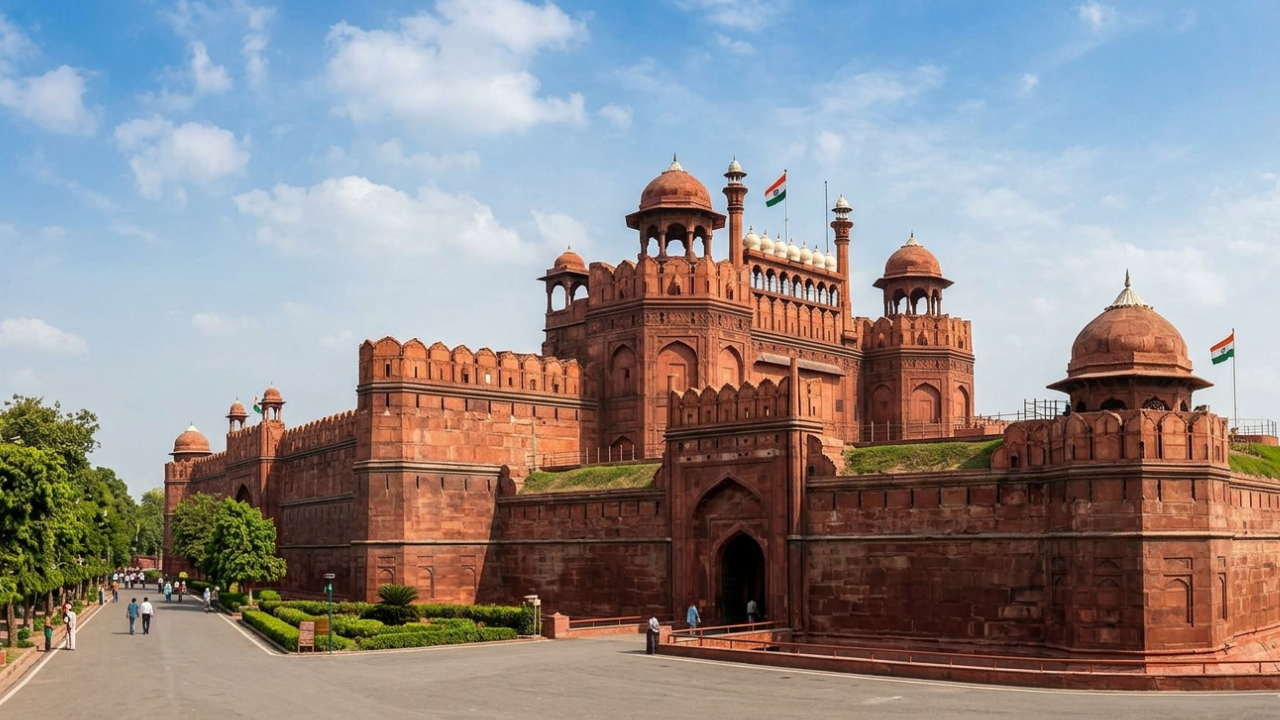
Lal Qila, popularly known as the Red Fort, is one of India’s most iconic historical monuments and a symbol of the country’s glorious past. Located in the heart of Delhi, this magnificent fort was built by Mughal Emperor Shah Jahan in the 17th century and served as the primary residence of Mughal rulers for nearly 200 years.
Recognized as a UNESCO World Heritage Site, Lal Qila attracts millions of tourists, history enthusiasts and photographers every year. The fort’s impressive red sandstone walls, intricate Mughal architecture, beautiful gardens, museums and historical significance make it one of the most visited attractions in India.
In this comprehensive guide, we’ll explore the history of Lal Qila, its architectural wonders, ticket prices, timings, major attractions, travel tips and interesting facts. Lal Qila is a Beautiful place in delhi.
History of Lal Qila
The history of Lal Qila dates back to 1638 when Mughal Emperor Shah Jahan decided to shift his capital from Agra to Shahjahanabad, now known as Old Delhi.
Construction of the Lal Qila began in 1638 and was completed in 1648.The fort was designed by architect Ustad Ahmad Lahori, who is also credited with designing the Taj Mahal.
The Lal Qila was the residence of the Mughal emperors until 1857. Following the Indian Rebellion of 1857, the British captured the fort and significantly altered many of its original structures.
After India gained independence in 1947, Lal Qila became a symbol of national pride. Every year on Independence Day, the Prime Minister of India hoists the national flag from the fort’s ramparts and addresses the nation.
Why is Lal Qila Called the Red Fort?
The fort is popularly known as the Red Fort because it was primarily constructed using red sandstone. The massive red colored walls stretch over 2 kilometers and create an impressive visual appearance that can be seen from a considerable distance.
The Hindi name “Lal Qila” literally translates to “Red Fort.”
Architectural Marvel of Lal Qila
Lal Qila is a masterpiece of Mughal architecture that combines Persian, Timurid and Indian architectural styles.
Key Architectural Features
- Massive red sandstone walls
- Intricately carved marble palaces
- Beautiful gardens and courtyards
- Decorative arches and domes
- Water channels known as Nahr-i-Bihisht (Stream of Paradise)
- Magnificent gateways and pavilions
The fort covers approximately 254 acres and showcases the grandeur and sophistication of Mughal engineering and design.
Major Attractions Inside Lal Qila
Lahori Gate
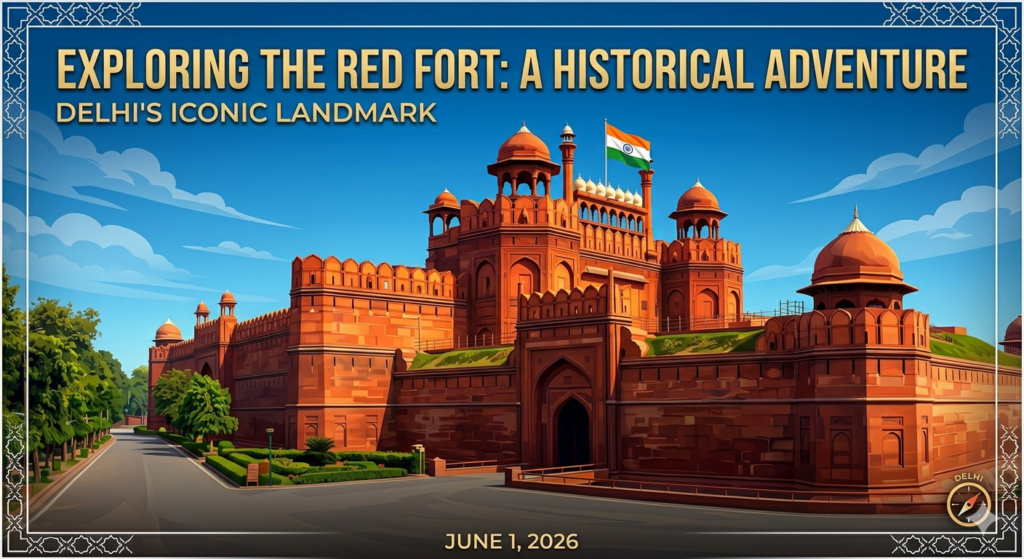
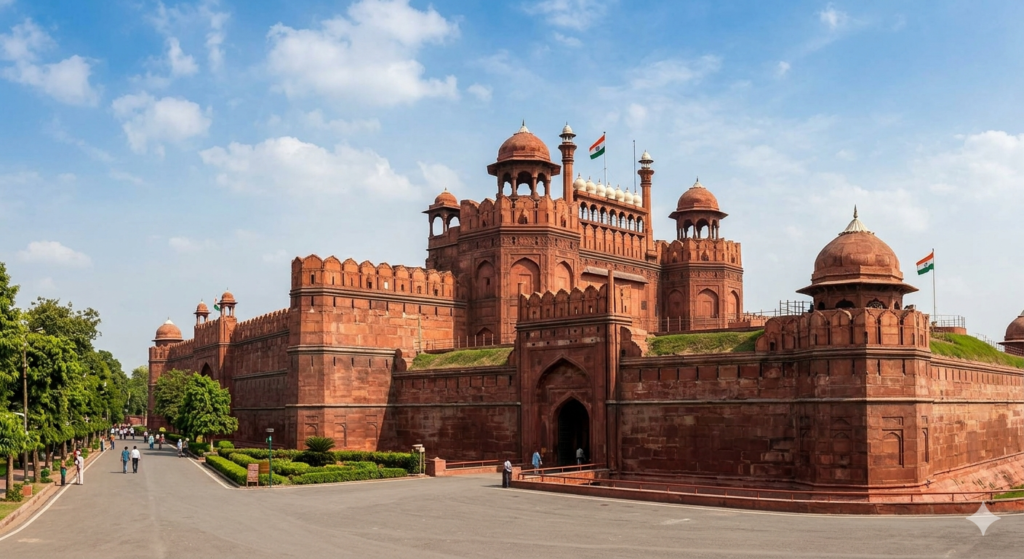
The Lahori Gate is the main gate to the fort. It is one of the most photographed parts of Lal Qila and holds immense historical importance.
Chatta Chowk
Located inside the entrance, Chatta Chowk is a historic covered market where merchants once sold luxury goods to members of the royal family.
Today, visitors can purchase souvenirs, handicrafts and traditional Indian items.
Diwan-i-Aam
The Diwan-i-Aam, or Hall of Public Audience, was where the emperor addressed common people and listened to public grievances.
Its grand structure reflects the administrative strength of the Mughal Empire.
Diwan-i-Khas
The Diwan-i-Khas or Hall of Private Audience, was reserved for important meetings with ministers, nobles, and foreign ambassadors.
The famous inscription:
“If there is heaven on earth.
is associated with this magnificent hall.
Rang Mahal
Rang Mahal was the residence of the royal women and is known for its decorative interiors and beautiful water channels.
Mumtaz Mahal
Now converted into a museum, Mumtaz Mahal showcases artifacts from the Mughal period and offers valuable insights into royal life.
Hayat Bakhsh Bagh
This beautiful garden translates to “Life-Bestowing Garden” and demonstrates the Mughal love for landscaped gardens and water features.
Importance of Lal Qila in Indian Independence
Lal Qila occupies a special place in India’s freedom struggle and national identity.
On August 15, 1947, India’s first Prime Minister, Jawaharlal Nehru, hoisted the national flag at the Red Fort after independence from British rule.
Since then, every Indian Prime Minister has continued the tradition by addressing the nation from the fort on Independence Day.
This annual ceremony makes Lal Qila one of the most important national monuments in India.
Lal Qila Light and Sound Show
One of the most popular attractions at Lal Qila is the Light and Sound Show.
The show narrates the history of Delhi, the Mughal Empire and the significance of the Red Fort through stunning visual effects, music and storytelling.
Visitors often consider it a must watch experience, especially during evening hours.
Lal Qila Timings
Opening Hours
- Open: Tuesday to Sunday
- Closed: Monday
- Timing: 9:30 AM to 4:30 PM
Visitors are advised to arrive early to avoid crowds and enjoy a comfortable sightseeing experience.
Lal Qila Ticket Price
Ticket prices may change periodically.
Typical categories include:
- Indian Citizens
- Foreign Tourists
- Children (as per government guidelines)
During the tourist season, it is recommended to make reservations online.
Best Time to Visit Lal Qila
The best time to visit Lal Qila is from October to March when Delhi experiences pleasant weather.
Ideal Months
- October
- November
- December
- January
- February
- March
Avoid visiting the area during the summer months due to the extreme heat.
How to Reach Lal Qila
By Metro
The nearest metro station is Lal Qila Metro Station on the Violet Line.
By Train
Old Delhi Railway Station is located close to the fort and provides easy access.
By Air
The nearest airport is Indira Gandhi International Airport, approximately 20 kilometers away.
By Road
Lal Qila is well-connected through Delhi’s road network and can be reached by buses, taxis, and private vehicles.
Nearby Attractions
Visitors can explore several famous attractions near Lal Qila:
- Jama Masjid
- Chandni Chowk
- Raj Ghat
- India Gate
- Gurudwara Sis Ganj Sahib
Combining these attractions can make for a memorable day trip in Delhi.
Interesting Facts About Lal Qila
- Lal Qila was the residence of Mughal emperors for nearly 200 years.
- The fort is a UNESCO World Heritage Site.
- It covers more than 250 acres.
- Shah Jahan spent enormous resources on its construction.
- The famous Peacock throne stands inside the fort.
- The fort witnessed major events during India’s independence movement.
- Every Independence Day celebration is centered around the Red Fort.
Photography Tips for Lal Qila
- Visit during early morning for softer lighting.
- Capture the Lahori Gate from different angles.
- Explore architectural details and carvings.
- Use wide angle shots for the fort walls.
- Stay until evening if attending the Light and Sound Show.
Why You Should Visit Lal Qila
Lal Qila is more than just a historical monument. It represents India’s cultural heritage, Mughal architectural brilliance and national pride.
Whether you are a history lover, architecture enthusiast, photographer or traveler, the Red Fort offers an unforgettable experience that connects visitors with centuries of Indian history.
Frequently Asked Questions (FAQs)
Who built Lal Qila?
Mughal Emperor Shah Jahan commissioned the construction of Lal Qila in 1638.
Why is Lal Qila famous?
It is famous for its Mughal architecture, historical significance, and Independence Day celebrations.
Is Lal Qila a UNESCO World Heritage Site?
Yes, Lal Qila is recognized as a UNESCO World Heritage Site.
How much time is needed to explore Lal Qila?
Most visitors spend between 2 to 4 hours exploring the fort.
What is the best time to visit Lal Qila?
October to March is considered the best period for sightseeing.
Conclusion
Lal Qila stands as a timeless reminder of India’s rich history and architectural excellence. From its magnificent red sandstone walls to its role in India’s independence celebrations, the fort continues to inspire millions of visitors every year.
A visit to Lal Qila is not merely a sightseeing experience it is a journey through centuries of Indian heritage, culture and national pride.
6 thoughts on “Lal Qila (Red Fort): History, Architecture, Timings, Tickets & Complete Travel Guide”